
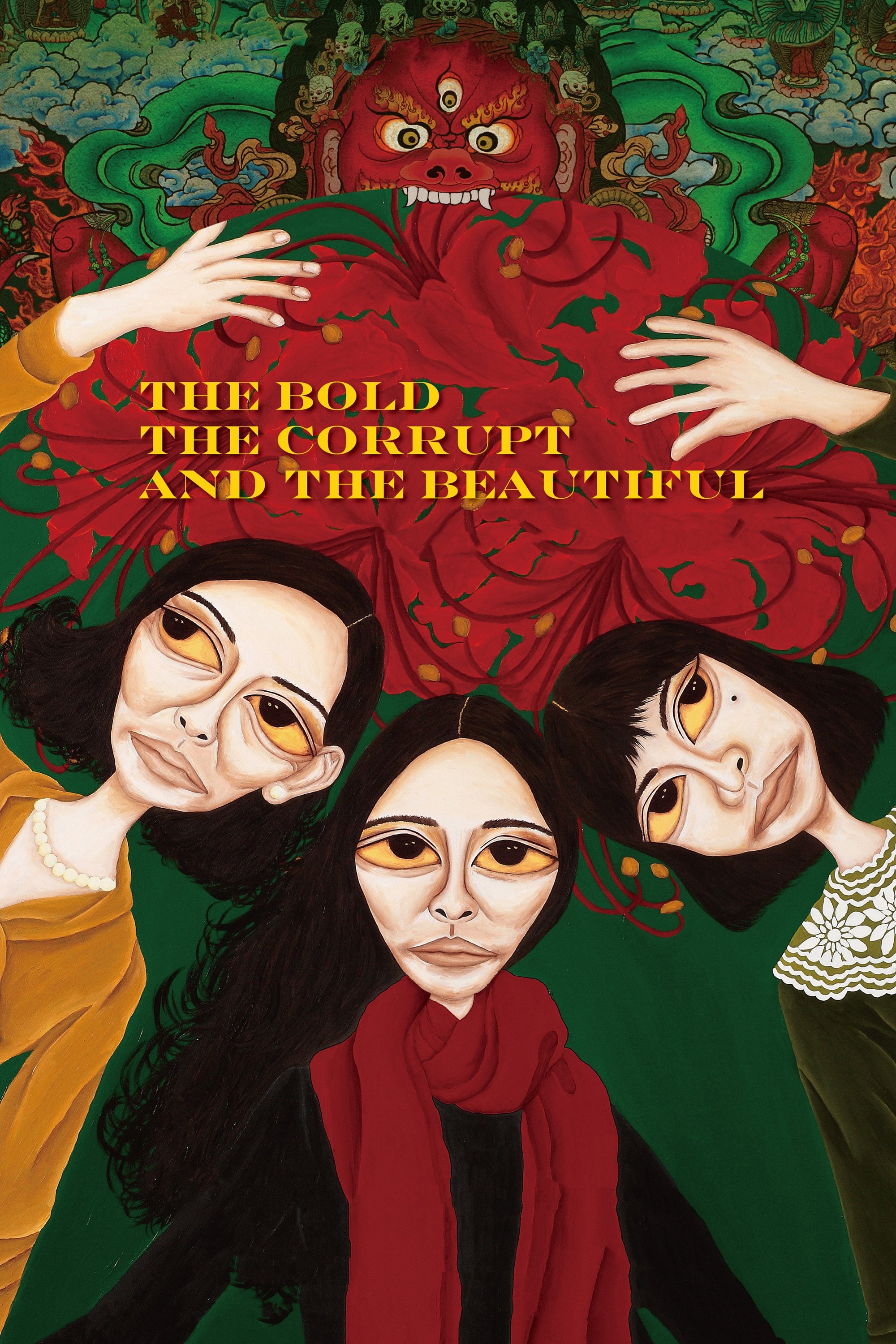
The Bold, the Corrupt and the Beautiful
Reviews

Priscilla Chu
**Blood Guanyin (血观音)**, directed by Yang Ya-che, emerged as a groundbreaking Taiwanese drama in 2017, shaking both domestic and international film circles with its brutal exploration of power and morality. The film swept the 54th Golden Horse Awards, clinching three prestigious honors: Best Feature Film, Best Leading Actress (for Wu Ke-xi as Madame Tang), and Best Original Screenplay—a testament to its narrative boldness and artistic excellence. **Human Shura Field on the Altar of Power and the Wheel of Causality** As the strings of pingtan (Chinese ballad) resonate on screen, the male and female singers—seated like judges of the underworld—set the tone of judgment for Blood Guanyin. Directed by Yang Ya-che, this film places three generations of the Tang family at the center of a power vortex against the backdrop of Taiwan's "Mituo Project," a web of political and commercial collusion. Through bloody transactions and familial betrayals, it rips apart the darkest blooms of human nature. Unlike the feudal cage in Raise the Red Lantern, Blood Guanyin constructs a desire-ravaged arena without moral boundaries, where the mercy of Guanyin becomes a fig leaf for power, blood ties turn into bargaining chips, and every character burns in the flames of ambition, finally confirming the pingtan horizontal scroll "So you've come"—when humanity falls into the abyss, the judgment of karma will eventually arrive. **Theme: The Human Inferno Cooked in the Cauldron of Power and Desire** The core of Blood Guanyin is no simple female elegy but a panoramic dirge of human evil. Using the "Mituo Project" as its narrative fulcrum, the film weaves political donations, land speculation, and murder into an airtight web of power. Madame Tang, the weaver of this web, embodies the ultimate hypocrisy of human nature with her "Buddhist words, serpent heart." When she holds prayer beads and chants the Heart Sutra, she is plotting the bloody massacre of the Lin family; when she kneels and kowtows to Madame Gu, the flash in her eyes is not guilt but indifference for discarding a pawn. This contrast between appearance and reality reaches its metaphorical climax in the scene of the Guanyin statue's broken arm. When Madame Wang receives an antique Guanyin whose arm suddenly falls off, Madame Tang's sophistry—"The Bodhisattva took the disaster for you"—reveals the instrumentalization of sacred symbols in the power field: Guanyin is no longer a symbol of mercy but a bloody sacrifice to power. #PowerCorruption The film unfolds human evil in a progressive cruelty. From Madame Tang luring Lin Qingtang into the game with the temptation of "buying for one dollar, selling for a hundred," to using the Duan brothers to carry out the massacre, and finally sacrificing her daughter Ning to preserve herself, the corrosion of power on humanity follows a clear trajectory of degradation. Notably, Ning's question to her mother, "Am I your designer bag, to be replaced when old?" not only reveals the objectification of women in the power game but also exposes the fragility of family ties in the face of interests. Zhen's transformation from a young girl who practices Japanese with a walkman but can't help eavesdropping and murmuring "I'm lonely" to a ruthless inheritor who rips up Madame Tang's euthanasia consent form confirms the complete alienation of humanity by power—when she jumps from a train and loses a leg after being raped by Marco at the station, that prosthetic limb becomes the remnant of humanity severed by ambition. But born into such a family and environment, who truly has a choice? The pingtan lyrics "Crabapple branches break without blood, bird nests upside-down in the north wind" form a subtle intertext. The crabapple symbolizes the Tang family, the broken branch metaphors the rupture of family bonds, and the phrase "without blood" implies a spiritual slaughter more brutal than physical violence. When Madame Tang takes the fish cheek pearls in the film—a detail rich in Cantonese food culture (each fish has only two small pieces of precious cheek meat)—it aptly reflects her greed in the "Mituo Project" to monopolize profits: while others chase the foam of Xiushan development, she has already pocketed the real essence (Lishui land). This calculation of "the road less traveled by ordinary people has the best scenery" speaks to the cruel law of winner-takes-all in the power game. **Characters: The Pantheon Under the Power Spectrum** **Madame Tang: The Power Priestess with a Serpent's Heart** Tang Yuying ranks among the most spine-chilling villains in Chinese-language cinema. This ostensibly elegant widow of a general is actually the "white glove" operator of political-commercial collusion. Her evil is not overt ferocity but the dense calculation permeating every smile and greeting. When she recommends to Boss Lin, "Secretary Feng's momentum is low, but the road less traveled by ordinary people has the best scenery," the casual words are actually bait leading prey into a trap. When she suddenly cuts the song to Shanghai Beach in KTV and plays surveillance footage of her aide's murder, her unflappable ruthlessness reveals her absolute confidence in controlling the game. The Guanyin statue completes its transformation from holy relic to weapon in her hands. Whether the broken-armed Guanyin given to Madame Wang or the incomplete statue in her shrine, both imply her desecrate and exploitation of faith. Most ironic is that after the Lin family massacre, she can calmly chant the Heart Sutra in the face of Ning's questioning. This use of religion as a power fig leaf demonstrates a twist of humanity more profound than any violence. Her teaching to Zhen, "No eyes, ears, nose, tongue, body, or mind; no form, sound, smell, taste, touch, or dharmas," intends to train her granddaughter to disregard conscience but ultimately backfires—when Zhen rips up her euthanasia consent form, this Buddhist phrase becomes her cruelest curse. **Tang Ning: The Sacrificial Offering of Burning Desire** Ning's tragedy lies in being both a tool of power—an underground prostitute created by her mother—and a rebel trying to break free from her fated role. Her threesome with Duan Zhong and Duan Yi, seemingly an indulgence of lust, is actually a deformed longing for freedom—when she cries out "Let's go there together" during the act, "there" is both a physical peak and a spiritual utopia. Her dependence on sleeping pills, aversion to Madame Tang's physical touch, and unwillingness to have her mother turn her and Zhen from mother-daughter to sisters all reveal her psychological trauma under maternal control. Two sets of contrasting details about her are particularly piercing: the sudden mother-daughter warmth when she discovers Zhen secretly bought her paint and treasured her paintings, versus the cruel contrast of being betrayed by Zhen spraying water; her panic at the market when learning Grandma Aying was taken away, versus her breakdown at seeing Duan Yi's corpse photo, showing her remaining conscience and realistic despair. Her final choice to unlock the handcuffs with Zhen and say, "Mom loves you; live like a human being," is both a salvation for her daughter and an accusation of her own fate. The woman Madame Tang called "princess by birth, servant by life" only completed her ultimate resistance against power in death. In fact, here lies a contrast: when Madame Tang told Ning to "live like a human being," she meant joining this "twisted feast" with a decent posture, while Ning hoped Zhen would hold onto her "freedom" no matter what. **Tang Zhen: The Transformation from Reflection to Poison Ivy** Zhen's path to depravity is the most chilling narrative thread. When she first appears, her reflection in the mirror overlaps with Ning's painting, suggesting she was initially just a projection of Madame Tang's will. The detail of her placing slippers for Lin Pianpian shows both the eagerness of a young girl and the silent patience of the Tang family when currying favor, waiting to seize the moment to exploit. When Madame Lin questions her, the seemingly inadvertent slip "Marco helped me look too" becomes her first ticket into the power game. When she holds Lin Pianpian's hand in the hospital to "comfort" her, the pressure of her fingertips is actually a threat; her resolve to jump from the train after being raped by Marco at the station completely severs her last connection to the young girl she once was. Finally, her words to Madame Tang, "You must live a long and healthy life," seemed filial, are actually the cruelest revenge—imprisoning the woman who was both teacher and mother to her in suffering. When the apple (a symbol of desire) falls from her hand and the camera cuts to Lin Pianpian's deathbed scene, the moment she waits for the victim to die before calling for help already predicts that Zhen will become a more ruthless power inheritor than Madame Tang. **Symbolism: The Power Rhetoric of Objects, Spaces, and Sounds** **The Guanyin Statue: The Bloody Essence Under the Cloak of Mercy** The Guanyin statue undergoes a complete alienation from sacred to profane in the film. The broken arm of the antique Guanyin given to Madame Wang at the beginning, ostensibly an auspicious sign to "ward off disaster," actually foreshadows the inescapable calamity in the power vortex. The broken-armed Guanyin enshrined in Madame Tang's shrine, juxtaposed with her chanting of the Requiem Sutra, forms a bitter satire of religious hypocrisy. The Guanyin beside Ning's portrait at the end becomes a silent witness to the power altar. This symbolic evolution of the object mirrors Madame Tang's inner trajectory—from exploiting faith to completely betraying it, finally staining Guanyin with her own daughter's blood as she becomes the "Child-Giving Guanyin" who personally sends Ning away. **Nishijin-ori and Fujiwara: Cultural Displays of Power** The Kyoto Nishijin-ori selected by Madame Tang for Madame Wang, an expensive fabric introduced from China to Japan, becomes a medium for power climbing here. The Lin family's surname "Fujiwara"—the most prominent noble family in Japanese history—implies Madame Lin cannot be truly simple enough to be manipulated. This appropriation of cultural symbols and dislocation of class identities reaches a dramatic peak at Madame Wang's art exhibition: when she mocks the buffet as "begging like a beggar," the same catering arranged by Madame Tang is in the background, revealing the contradictory mentality of the elite class—relying on yet despising lower-class services. **East Star Groupers and Fish Cheek Pearls: The Interest Metaphors of Food Politics** The two East Star groupers sent by the Jiaku grandparents and grandchildren, symbols of rare delicacies in Cantonese food culture, are offered by social lower-class fishmongers to the elite. This class contrast implies Madame Tang's manipulation and exploitation of the lower class, just as the Jiaku descendants represent fish on the chopping block. The detail of Madame Tang later peeling "cheek pearls" from the fish cheeks pushes this food metaphor to the extreme—while others fight over the "fish meat" of Xiushan development, she has already quietly taken the most essential part, the "cheek pearls." **Pingtan and Space: The Judgment Narrative in the Sound Field** The opening composition of the two pingtan singers as judges sets the film's perspective of judgment. The reflection of Zhen in the mirror beside the female singer, intertextual with the horizontal scroll "So you've come" and vertical scroll "Heaven knows, earth knows, you know, I know—what is ignorance," implies all sins are being watched unseen. When Madame Tang chants scriptures in the shrine, the sound of Ning knocking on the table confronts the pingtan dirge, displaying the game between conscience and power lust. The ending lyrics, "In the morning, the trees are full of green; at dusk, they fall with the wind," draw a period on the story of karma —the Tang family's glory finally fades like fallen leaves, confirming the ancient adage, "Good and evil deeds will eventually be rewarded." **Narrative Techniques: The Deconstruction of Power in Chapter Style** The film adopts a narrative structure similar to a chaptered novel, dismantling political and commercial intrigues into chewable power fragments through interspersed pingtan lyrics and TV news. This narrative strategy peaks in the Lin family massacre: when TV news reports "five family members gunned down," the camera pans over Jiaku with a head wound in the crowd of reporters, implying the media's complicity in the power game. The sudden insertion of Shanghai Beach in the KTV scene deconstructs the absurd nature of power alternation through a play within a play—just after the aide finishes singing, "Spoiling a pig causes it to overturn the stove; spoiling a son makes him unfilial," Madame Tang uses surveillance footage to expose the Duan brothers' murders, blurring the line between performance and reality. This chapter-style storytelling, combined with the symbolic use of colors—icy blues in the Lin family's massacre contrasting with the Tang mansion's opulent reds—creates a visual rhetoric that reinforces the theme of power's dual nature: warmth and death coexisting. In the final shot, as Zhen walks away with her prosthetic leg, the camera lingers on the empty corridor—a metaphor for humanity's endless march through the shura field of power. Blood Guanyin does not offer redemption; it merely holds up a mirror, forcing audiences to confront the monster that power can make of us all. As the pingtan singers intone, "So you've come"—the question is not if we will enter the arena, but how much of our humanity we are willing to leave behind.
Movie Recommendation
 The Great Buddha+2017-10-13Security guard Pickle and his trash collector friend Belly Button kill time together in night shifts watching the American-educated boss's dash-cam recordings of his various sexual encounters with women. Against the buddies' will, something horrifying rather than erotic reveals.More...
 King of Thorn2010-05-01A mysterious virus, nicknamed Medusa, is spreading around Japan, turning its victims into stone. Given the impossibility of finding an immediate cure, the government opts for cryopreserving a select group of patients until they come up with a solution. Kasumi, one of the chosen ones, has been asleep for years and her awakening, more than a bed of roses, is a bed of thorns, and happens in the midst of total chaos where monstrous creatures lie in wait all around.More...
 The China Hustle2018-03-30An unsettling and eye-opening Wall Street horror story about Chinese companies, the American stock market, and the opportunistic greed behind the biggest heist you've never heard of.More...
 My Missing Valentine2020-09-18Xiao Chi, a driven girl who's been looking for love, gets asked out by a hot guy on the eve of Valentine's Day. As she anticipates her first date, she wakes up the next morning and finds that the Valentine's Day has mysteriously passed.More...
 Secrets of the Heavenly Book1983-01-01Yuangong, the deacon, opened the shrine and exposed the holy book to the human world. He is now punished to guard the book for life by the jade emperor for breaking heaven’s law. In order to pass this holy book to human beings, he would have to get by the antagonist fox.More...
 JoJo's Bizarre Adventure: Diamond Is Unbreakable – Chapter 12017-08-04Morioh, 1999—a normally quiet and peaceful town has recently become a hotbed of strange activity. Jōtarō Kūjō, now a marine biologist, heads to the mysterious town to meet Jōsuke Higashikata. While the two may seem like strangers at first, Jōsuke is actually the illegitimate child of Jōtarō's grandfather, Joseph Joestar. When they meet, Jōtarō realizes that he may have more in common with Jōsuke than just a blood relation. Along with the mild-mannered Kōichi Hirose and the boisterous Okuyasu Nijimura, the group dedicates themselves to investigating recent disappearances and other suspicious occurrences within Morioh. Aided by the power of Stands, the four men will encounter danger at every street corner, as it is up to them to unravel the town's secrets, before another occurs.More...
 Lan Yu2001-05-18A love story between a country boy in Beijing to study and a wealthy businessman set against the backdrop of the 1989 Tiananmen Square incident.More...
 Angels Wear White2017-12-24In a small seaside town, two schoolgirls are assaulted by a middle-aged man in a motel. Mia, a teenager who was working on reception that night, is the only witness. For fear of losing her job, she says nothing. Meanwhile, 12-year-old Wen, one of the victims, finds that her troubles have only just begun. Trapped in a world that offers them no safety, Mia and Wen will have to find their own way out.More...
 The True Story of Ah Q1981-06-04Based on the 1921 novella of the same name by one of China's most well-known modern writers, Lu Xun (Lu Hsun), the True Story of Ah Q is set during the 1911 revolution. Ah Q is a lowly peasant who wants to rise above his class, or at least get out of his grinding poverty. At first he thinks the way to do it is by marrying into a better station in life; later, he joins the revolution as he feels that is the only way he and others like him can transcend poverty. In this film version of Lu Xun's story, the character of Ah Q might benefit from a more rounded humanity to make him appealing to those not familiar with the harsh environment in China before the 1911 revolution.More...
 The Liquidator2017-12-29A criminal psychologist and a forensic expert works together to track down a serial killer who targets people who have been acquitted of notable crimes and uses their guilt as his modus operandi.More...
 52Hz, I Love You2017-01-26'Cape No. 7' director Wei Te-Sheng returns to his melodic roots with Taiwan's first musical, '52Hz, I Love You.'More...
 Bedevilled2010-08-19A disillusioned Seoul woman visits a remote island to reconnect with a childhood friend, only to find her trapped in an oppressive cycle of physical, mental, and sexual abuse. As tensions escalate, the situation spirals into a harrowing tale of survival and retribution.More...
 A Man Called Ove2015-12-25Despite being deposed as president of his condominium association, grumpy 59-year-old Ove continues to watch over his neighbourhood with an iron fist. When pregnant Parvaneh and her family move into the terraced house opposite Ove and she accidentally back into Ove’s mailbox, it sets off a series of unexpected changes in his life.More...
 A Rainy Day in New York2019-07-26Two young people arrive in New York to spend a weekend, but once they arrive they're met with bad weather and a series of adventures.More...
 Searching2018-08-24After David Kim's 16-year-old daughter goes missing, a local investigation is opened and a detective is assigned to the case. But 37 hours later and without a single lead, David decides to search the one place no one has looked yet, where all secrets are kept today: his daughter's laptop.More...
 American Made2017-08-18The true story of pilot Barry Seal, who transported contraband for the CIA and the Medellin cartel in the 1980s.More...
 Darkest Hour2017-11-22In May 1940, the fate of World War II hangs on Winston Churchill, who must decide whether to negotiate with Adolf Hitler or fight on knowing that it could mean the end of the British Empire.More...
 Fantastic Four: Rise of the Silver Surfer2007-06-13The Fantastic Four return to the big screen as a new and all powerful enemy threatens the Earth. The seemingly unstoppable 'Silver Surfer', but all is not what it seems and there are old and new enemies that pose a greater threat than the intrepid superheroes realize.More...
 Red Sparrow2018-02-15Prima ballerina Dominika Egorova faces a bleak and uncertain future after she suffers an injury that ends her career. She soon turns to Sparrow School, a secret intelligence service that trains exceptional young people to use their minds and bodies as weapons. Dominika emerges as the most dangerous Sparrow after completing the sadistic training process. As she comes to terms with her new abilities, she meets a CIA agent who tries to convince her that he is the only person she can trust.More...
 The Lion King2019-07-12Simba idolizes his father, King Mufasa, and takes to heart his own royal destiny. But not everyone in the kingdom celebrates the new cub's arrival. Scar, Mufasa's brother—and former heir to the throne—has plans of his own. The battle for Pride Rock is ravaged with betrayal, tragedy and drama, ultimately resulting in Simba's exile. With help from a curious pair of newfound friends, Simba will have to figure out how to grow up and take back what is rightfully his.More...
Similar Movies
Revengence Superlady
 1986-10-30A woman seeks vengeance against the man who killed her entire family.
Ek Villain
 2014-06-27An ex-gangster re-enters the world of violence after his pregnant wife is murdered and torments the killer by capturing and releasing him again and again.
Heaven
 2002-02-06A woman takes the law into her own hands after police ignore her pleas to arrest the man responsible for her husband's death, and finds herself not only under arrest for murder but falling in love with an officer.
Psycho II
 1983-06-03Norman Bates is declared sane and released from the facility in which he was being held, despite the complaints of Lila Loomis, sister of his most famous victim. Is he really cured, or will he kill again?
Elizabeth Is Missing
 2019-12-08Maud's best friend Elizabeth has disappeared, but as she tries to solve the mystery, dementia threatens to erase all the clues, giving the search a poignant urgency.
Things to Do in Denve...
 1995-12-01Five different criminals face imminent death after botching a job quite badly.
La Strada
 1954-09-23When Gelsomina, a naïve young woman, is purchased from her impoverished mother by brutish circus strongman Zampanò to be his wife and partner, she loyally endures her husband's coldness and abuse as they travel the Italian countryside performing together. Soon Zampanò must deal with his jealousy and conflicted feelings about Gelsomina when she finds a kindred spirit in Il Matto, the carefree circus fool, and contemplates leaving Zampanò.
Shaft
 2000-06-15New York police detective John Shaft arrests Walter Wade Jr. for a racially motivated slaying. But the only eyewitness disappears, and Wade jumps bail for Switzerland. Two years later Wade returns to face trial, confident his money and influence will get him acquitted -- especially since he's paid a drug kingpin to kill the witness.
Wild at Heart
 1990-08-17Young lovers Sailor and Lula hit the road to start a new life together away from the wrath of Lula’s deranged, disapproving mother, who has hired a team of hitmen to cut the lovers’ surreal honeymoon short.
The Promised Land
 1975-02-21In nineteenth-century Łódź, Poland, three friends want to make a lot of money by building and investing in a textile factory. An exceptional portrait of rapid industrial expansion is shown through the eyes of one Polish town.
Lady and Lover
 2015-08-01A story of two closeted lesbian girls. Xu Meng Nan is an orphan who was raised by the pastor of the village church. She befriended a girl from their village, Yu Yue. As they grew up, they developed a deep bond and some inexplicable feelings. The two decided to live together in the city. However, Yu Yue's father, Song Lin, owes a high debt due to his gambling. The debtor demands Song Lin to give him Yu Yue as payment for his debts. Xu Meng Nan does everything to avenge her lover.
Puffer Rhapsody
 2022-03-01By fabricating her biography, Luo Su, a young Chinese white-collar worker from a low-income family, hopes to wed Mr. Win, an alluring bachelor. But when her mother's shocking TV interview exposes her deceit, she loses everything and ends her own life. Left in limbo, she is mystically given one last opportunity to alter her fate within 72 hours - albeit within the body of a man.
Once Upon a Time in A...
 1984-05-23A former Prohibition-era Jewish gangster returns to the Lower East Side of Manhattan over thirty years later, where he once again must confront the ghosts and regrets of his old life.
Snow Cake
 2006-09-08A drama focused on the friendship between a high-functioning autistic woman and a man who is traumatized after a fatal car accident.
The Long Goodbye
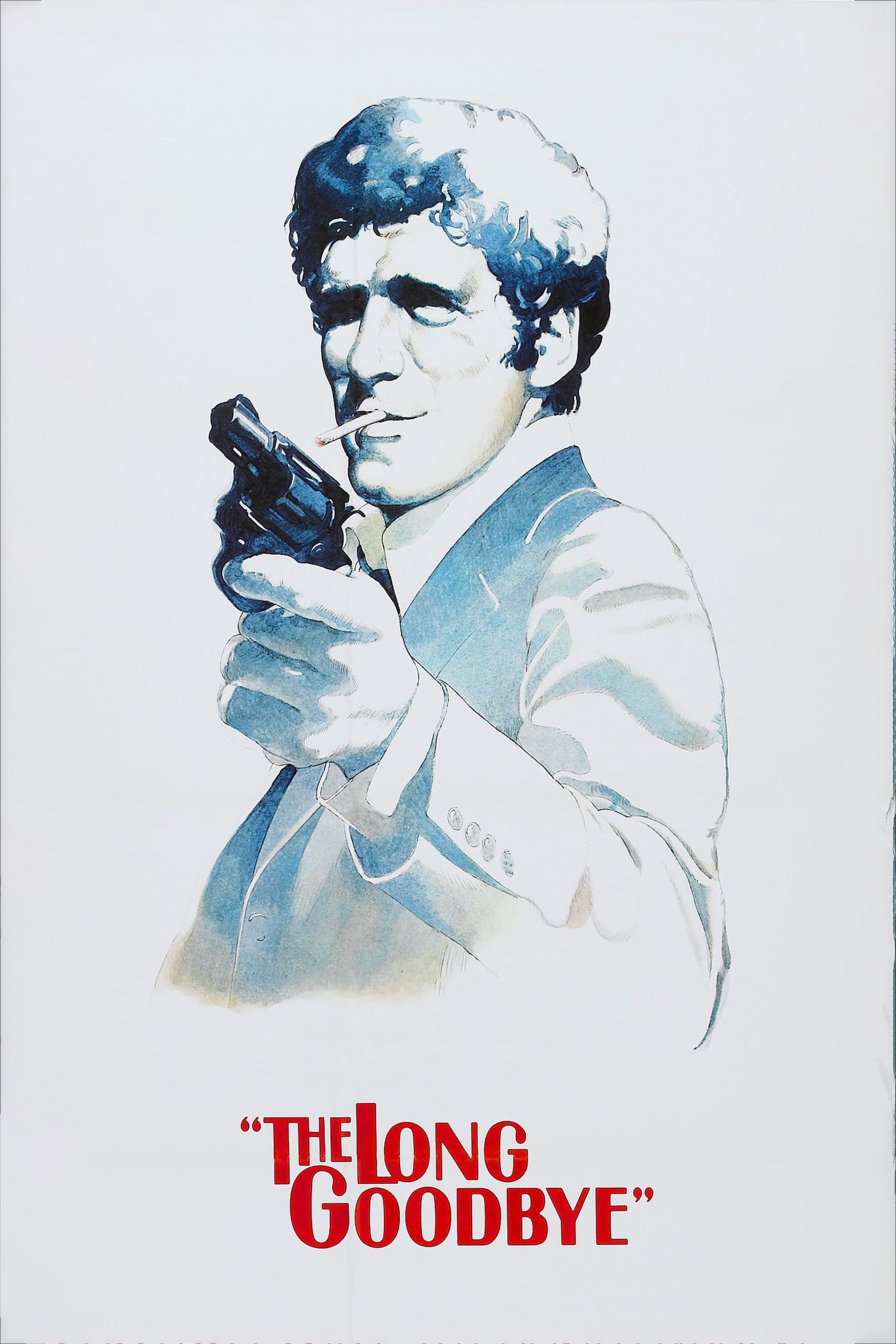 1973-03-08In 1970s Hollywood, Detective Philip Marlowe tries to help a friend who is accused of murdering his wife.
Rise: Blood Hunter
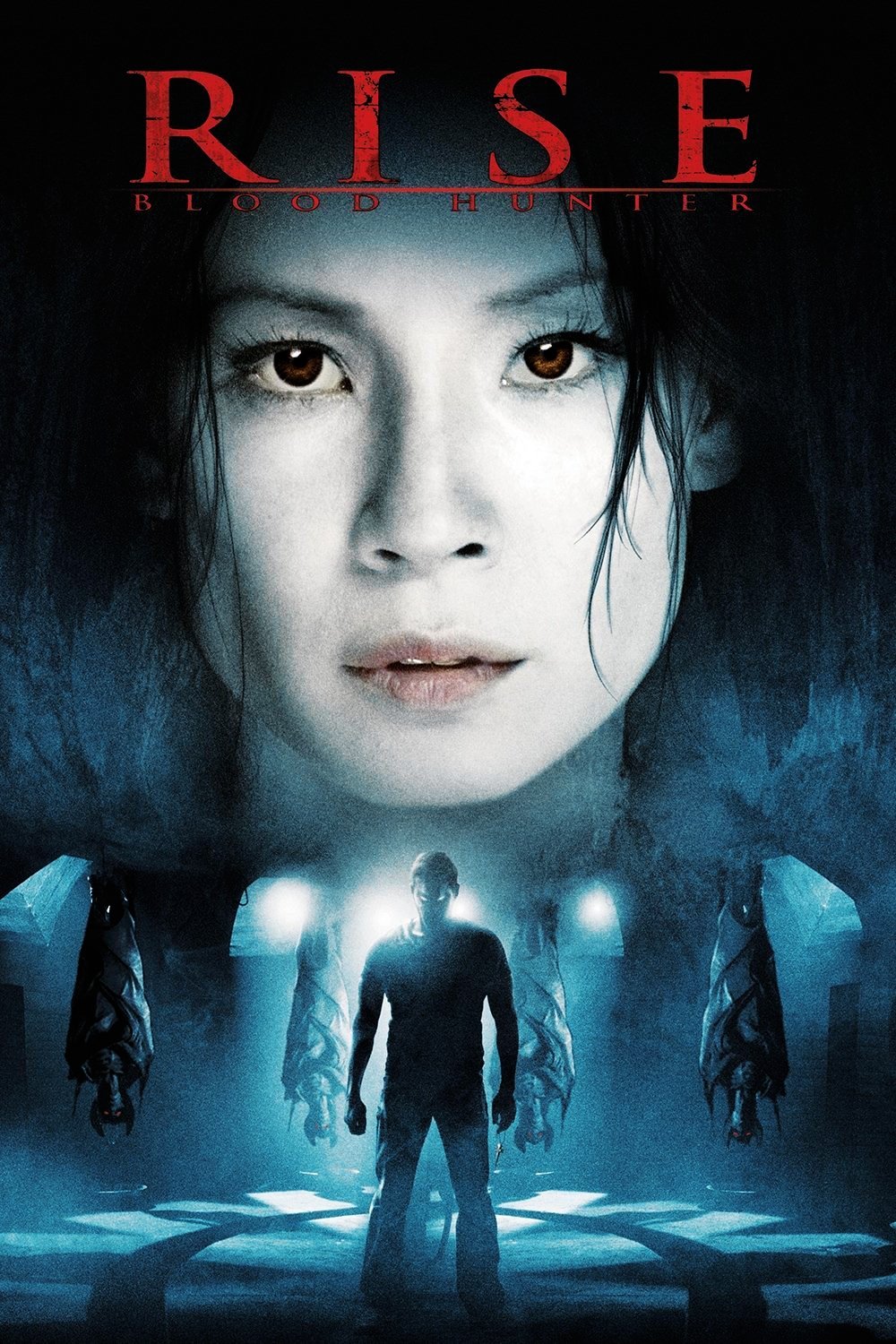 2007-04-28A reporter on the trail of a sinister cult wakes up in a morgue to find herself a member of the undead. She goes on a personal vendetta against a group a cultists who are responsible for her death.
Marie Antoinette
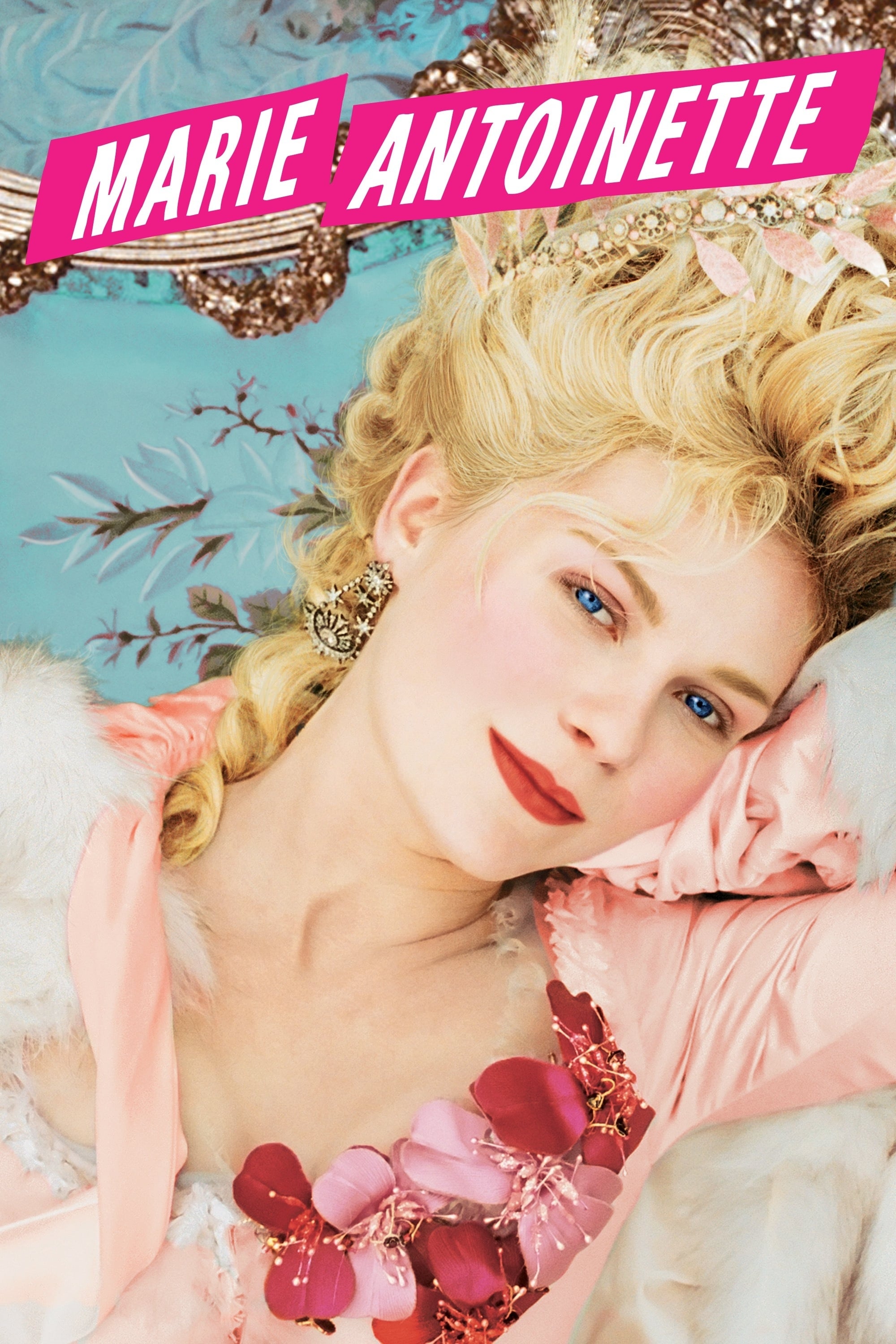 2006-05-24The retelling of France’s iconic but ill-fated queen, Marie Antoinette - from her betrothal and marriage to Louis XVI at fifteen to her reign as queen at nineteen and ultimately the fall of Versailles.
Or (My Treasure)
 2004-09-09Or shoulders a lot: she's 17 or 18, a student, works evenings at a restaurant, recycles cans and bottles for cash, and tries to keep her mother Ruthie from returning to streetwalking in Tel Aviv. Ruthie calls Or "my treasure," but Ruthie is a burden. She's just out of hospital, weak, and Or has found her a job as a house cleaner. The call of the quick money on the street is tough for Ruthie to ignore. Or's emotions roil further when the mother of the youth she's in love with comes to the flat to warn her off. With love fading and Ruthie perhaps beyond help, Or's choices narrow.
Crank
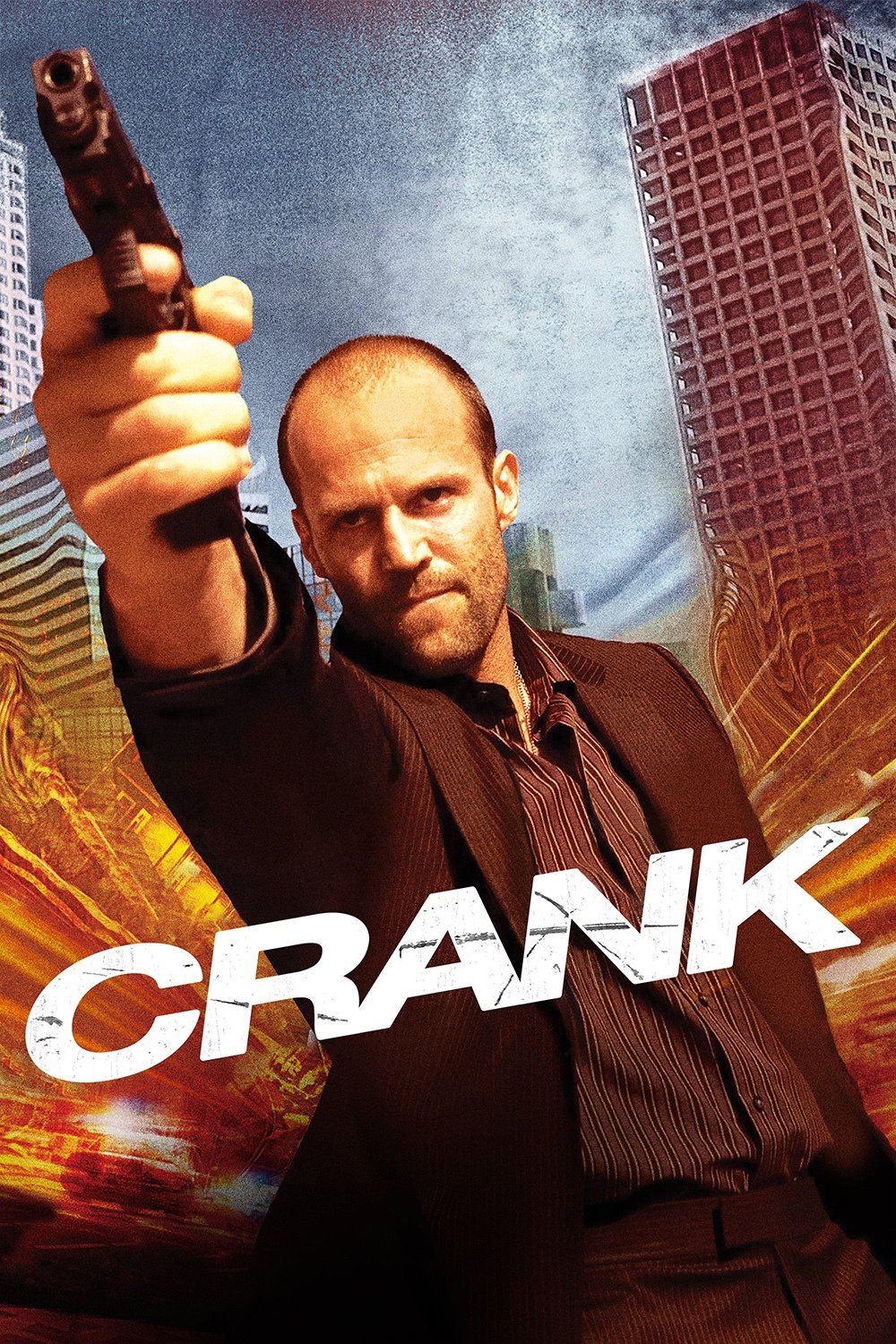 2006-08-31Chev Chelios, a hit man wanting to go straight, lets his latest target slip away. Then he awakes the next morning to a phone call that informs him he has been poisoned and has only an hour to live unless he keeps adrenaline coursing through his body while he searches for an antidote.
The Grudge 2
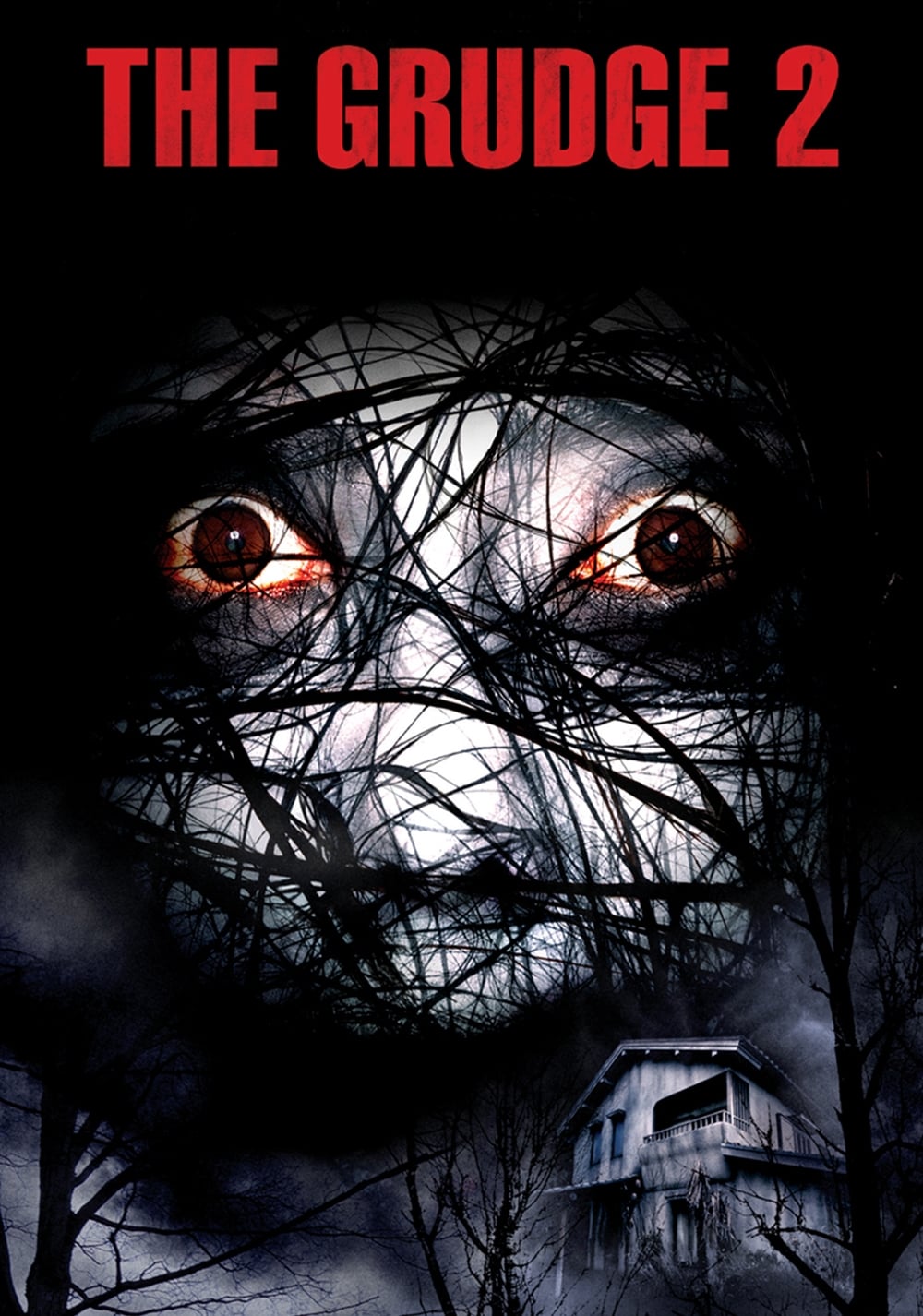 2006-10-12A young woman encounters a malevolent supernatural force while searching for her missing sister in Tokyo, a mean high school prank goes horribly wrong, and strange things begin happening in a Chicago apartment building.