
Paul, Apostle of Christ
Reviews

tmdb28039023
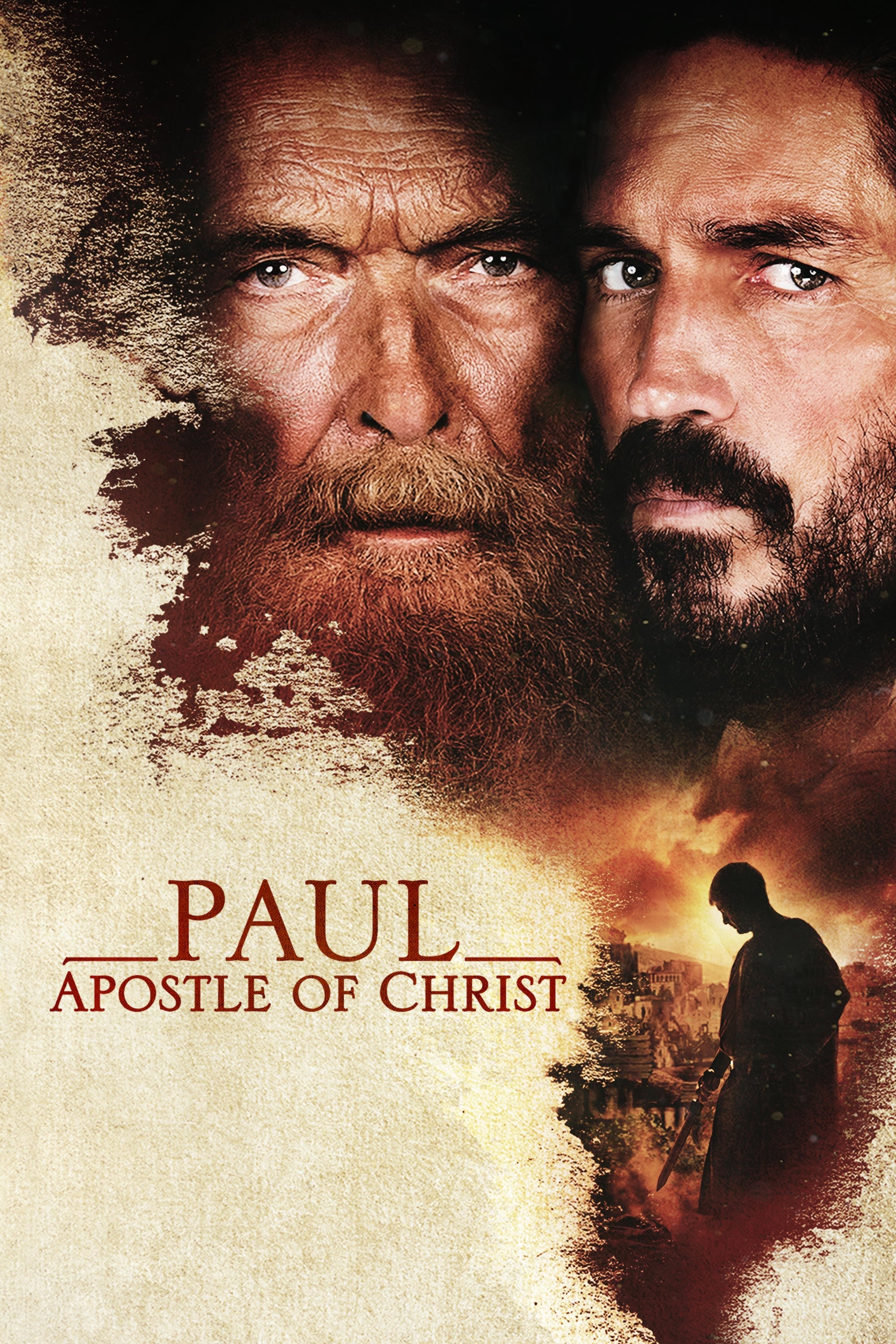
Can you be said to lead by example when the example is spurious? Paul, Apostle of Christ is the early Christianity 'success story' of the conversion of Mauritius Gallas (Olivier Martinez), Commander of the Third Legion of Rome, and Prefect of the Mamertine Prison. Actually, I’m not even sure Mauritius officially converted; he certainly formed a better opinion of Christians after Saint Luke cured his daughter of an indeterminate disease. I guess the filmmakers deserve some credit for not presenting this as a miracle (Luke saves the little girl’s life through his medical knowledge), but it really makes no difference anyway because there was no sick child, no Mauritius Gallas, no Third Legion, no nothing. This is a kind of artistic license that goes well beyond the fact that everyone in Nero’s Rome speaks fluent English (with a French accent, in Martinez’s case). Mauritius’s conversion (if indeed he converted) doesn’t carry as much weight as, say, that of Constantine, and not because the latter was an Emperor and the former a humble prefect; the problem is that Mauritius’s change of heart doesn’t appears to take place, not as a sign of personal growth, but simply because it’s in the script. I mean, if you’re just going to make shit up, why stop at one conversion? Why not go ahead and make it so that the entire Third Legion accepted Jesus Christ into their hearts as their Lord and Savior? Luke is only slightly less fictional than Mauritius, and equally problematic. A "Luke," to whom tradition assigns authorship of the Gospel of Luke and the Acts of the Apostles, was mentioned by Paul in three of his epistles. The movie depicts Luke (Jim Caviezel) visiting Paul (James Faulkner) in the rather well-lit "darkness" of his cell, where the two commit the Acts to paper. Why? According to Paul, "[Luke] believes people should know the certainties of my life." This turns out to be quite an unwittingly ironical statement, considering that a) though the Gospel of Luke and the Acts of the Apostles are attributed to the same author, the true identity of this author remains unknown, and b) there are many contradictions between the Acts and the authentic Pauline letters; thus, in the odd chance Luke did in fact pen these books, it’d be safe to say that he and Paul weren’t as simpatico as this movie would have us believe (the aforementioned irony, by the way, is completely lost on the filmmakers, according to whom "Paul’s life was well documented by Luke").
Filipe Manuel Neto
**An excessively preachy film, aimed at more devout audiences.** It really costs being a historian when we feel like watching a film based on historical facts. We never manage to take off our academic attire and enjoy it, we see errors and inaccuracies where no one sees anything special. And this is tiring. When the film has a biblical theme, things tend to get worse. And what we have here is one of the weakest biblical films I've seen in a long time. Based on solid material extracted from Paul's letters and the book of the Acts of the Apostles, the film seeks to show us a little of Paul's life as a preacher and Christian leader, focusing on the events that followed to the burning of Rome in 64 AD, and showing the rest through episodic flashbacks. The film starts from the correct presumption that the majority of its public is aware of the events and knows who was Paul. And in fact it is difficult to imagine any well-informed Christian who do not recognize the decisive action of this leader: initially, he was a pagan and helped the Jews to persecute the Christians, whom they considered a schismatic sect of their faith. Later, he became one of the defining figures of the early period of the Christianity, and was fundamental in bringing it to other races and peoples, definitively separating Christians from Jews. Tradition tells us that he was killed in Rome shortly after the fire, which Emperor Nero attributed to the fanatical actions of the city's Christians. The film is not bad, but it could have made a better effort to capture Paul's preaching and action among other leaders: there is no mention, for example, of his participation in the first ecumenical council. Nero does not appear, but we see Roman repression in vibrant and exaggerated colors: although Roman chroniclers provided colorful descriptions of the massacres of Christians, it is known that such reports were exaggerated and archeology has never confirmed such ferocity. It was also difficult for me to see how the Mamertine Prison was transformed into a modern penal colony, with strong walls, guards and gates. Anyone who barely knows Rome, and has visited what remains of this place, knows that it was a small prison, used in temporary situations, and that Romans were not in the habit of having large prisons, preferring to send criminals to galleys, quarries and other forced labor: much more practical than feeding lots of prisoners who do nothing all day, the Romans would say. The film also places Luke with Paul in Rome, which doesn't make sense: we know they knew each other and cooperated, but it seems unlikely that Luke would stay calmly in Rome, and in full view of the authorities, after Peter and Paul's arrest. The general atmosphere of the film is somewhat preachy, and resembles a long Easter sermon, which will greatly displease audiences who are less devout or practice their faith. I didn't have any major problems with it, but I also preferred a different approach that was more likely to please a generalist audience. I don't know if the film was financed by a church or something, but that could very well have been the case. James Faulkner is effective in the role of Paul, Olivier Martinez does what he can in a role in which he has to be unpleasant and Jim Caviezel is clumsy and not very interesting in this effort, the second in his career in which he addresses biblical themes.
Movie Recommendation
 They2018-05-15J is in their early teens and lives in the countryside. J has been diagnosed with Gender Identity Disorder, goes by the selected pronoun “they”, and takes hormone blockers to suspend puberty. While J’s parents are away, their older sister and her Iranian boyfriend are assigned the duties of house-sitting and looking after J.More...
 Music School1955-10-12There is no descriptionMore...
 Shalako1968-09-26Sean Connery is Shalako, a guide in the old West who has to rescue an aristocratic British hunting party from Indians and bandits.More...
 Gomorroide2017-03-09The Camorra is on its knees and the credit goes to Gomorroide, an unexpectedly successful television series that mocks the ruthless criminal organization. Thanks to the TV series, people are less afraid of bosses and the underworld and have found the courage to rebel against abuses. The three main actors are real stars but one day the television station receives an envelope with three bullets addressed to them. However, no one takes the intimidation seriously, at least until a series of events and misunderstandings force the trio to enter a protection program that will toss them up and down Italy. Unjustly accused, the Camorra will not stand by and watch.More...
 Let There Be Light2017-10-27An atheist goes through a near-death experience in an auto accident before converting to Christianity.More...
 The Werewolf Versus the Vampire Woman1971-05-17Elvira is travelling through the French countryside with her friend Genevieve, searching for the lost tomb of a medieval murderess and possible vampire, Countess Wandessa. They find a likely site in the castle of Waldemar Daninsky, who invites the women to stay as long as they like. As Waldemar shows Elvira the tomb that supposedly houses the countess, she accidentally causes the vampire to come back to life, hungrier than ever. Daninsky has a hidden secret of his own, but will it be enough to save the two girls from becoming Wandessa's next victims?More...
 Why We’re Here: 15 Years of Rooster Teeth2018-04-20The founders and media personalities of Rooster Teeth reflect on their history, growth and fandom throughout the years.More...
 A Forbidden God2013-06-14August 1936, the beginning of the Spanish Civil War. 51 members of the Claretian community of Barbastro (Huesca) are martyred, die for their faith. The film recounts the last weeks of his life, since they are held until they are finally shot. During that time, they perform various writings they talk about their situation, of his fellow captives, people who saw them. These writings have been the basic testimony used to narrate this real fact in film version.More...
 Prairie Fever2008-03-29A group of women contracted a strange fever and a former sheriff is responsible for taking them to the hospital in the nearest town, but in their way they will encounter a gang of murderers. His only hope is a woman whose beauty is matched only by his skill with weapons.More...
 Shed Skin Papa2016-12-16As a director faces a series of setbacks in life including debt and divorce, his elderly father suddenly regains his youth.More...
 Son of God2014-02-28In the Holy Land, the Roman occupation has produced a cauldron of oppression, anxiety and excessive taxes levied upon the Jewish people. Fearing the wrath of Roman governor Pontius Pilate , Jewish high priest Caiaphas tries to keep control of his people. That control is threatened when Jesus arrives in Jerusalem, performing miracles and spreading messages of love and hope. Those who fear that Jesus will inspire a revolution decide that he must die.More...
 Love per Square Foot2018-02-14Individually, bank employees Sanjay and Karina don't earn enough to be able to buy a home, so they decide to enter into a marriage of convenience.More...
 Like Mike 2: Streetball2006-05-15Another young boy with 'hoop dreams' finds an old pair of Michael Jordan's sneakers and can suddenly play ball like the greatest player in the world.More...
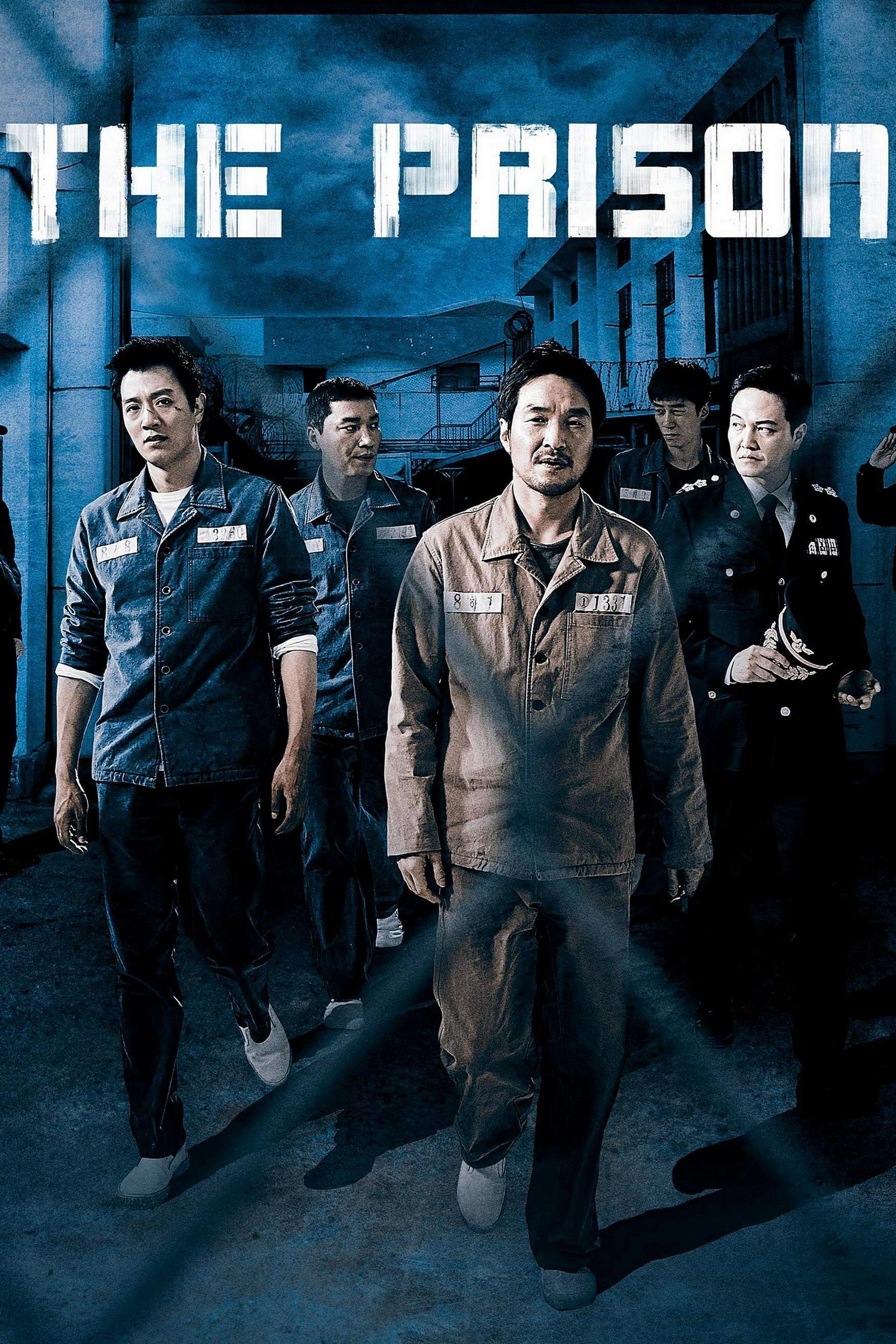 The Prison2017-03-23An imprisoned ex-police inspector discovers that the entire penitentiary is controlled by an inmate running a crime syndicate and becomes part of the crime empire.More...
 Ruben Brandt, Collector2018-06-22Psychotherapist Ruben Brandt becomes the most wanted criminal in the world when he and four of his patients steal paintings from the world's most renowned museums and art collections.More...
 Nothing to Lose2018-03-29Authorized biopic of Brazilian evangelical bishop Edir Macedo, founder of the Universal Church of the Kingdom of God and owner of Record TV network. Based on a book trilogy of the same name, the movie tells the story of the self-made man who faced several moments of turbulence while pursuing his conviction.More...
 The Parallax View1974-06-14An ambitious reporter gets in trouble while investigating a senator's assassination which leads to a vast conspiracy involving a multinational corporation behind every event in the world's headlines.More...
 I Can Only Imagine2018-02-14Growing up in Greenville, Texas, Bart Millard suffers physical and emotional abuse at the hands of his father, Arthur. When Arthur becomes terminally ill, he finds redemption by embracing his faith and rediscovering his love for his son. Years later, Bart's troubled childhood and mended relationship with his dad inspires him to write the hit song "I Can Only Imagine" as singer of the Christian band MercyMe.More...
 Torpedo: U-2352019-10-23World War II: Resistance fighters accept a suicide mission to deliver a stolen Nazi submarine carrying atomic uranium. Hunted by Hitler’s army, the crew must outwit the German Navy to bring the cargo safely to America.More...
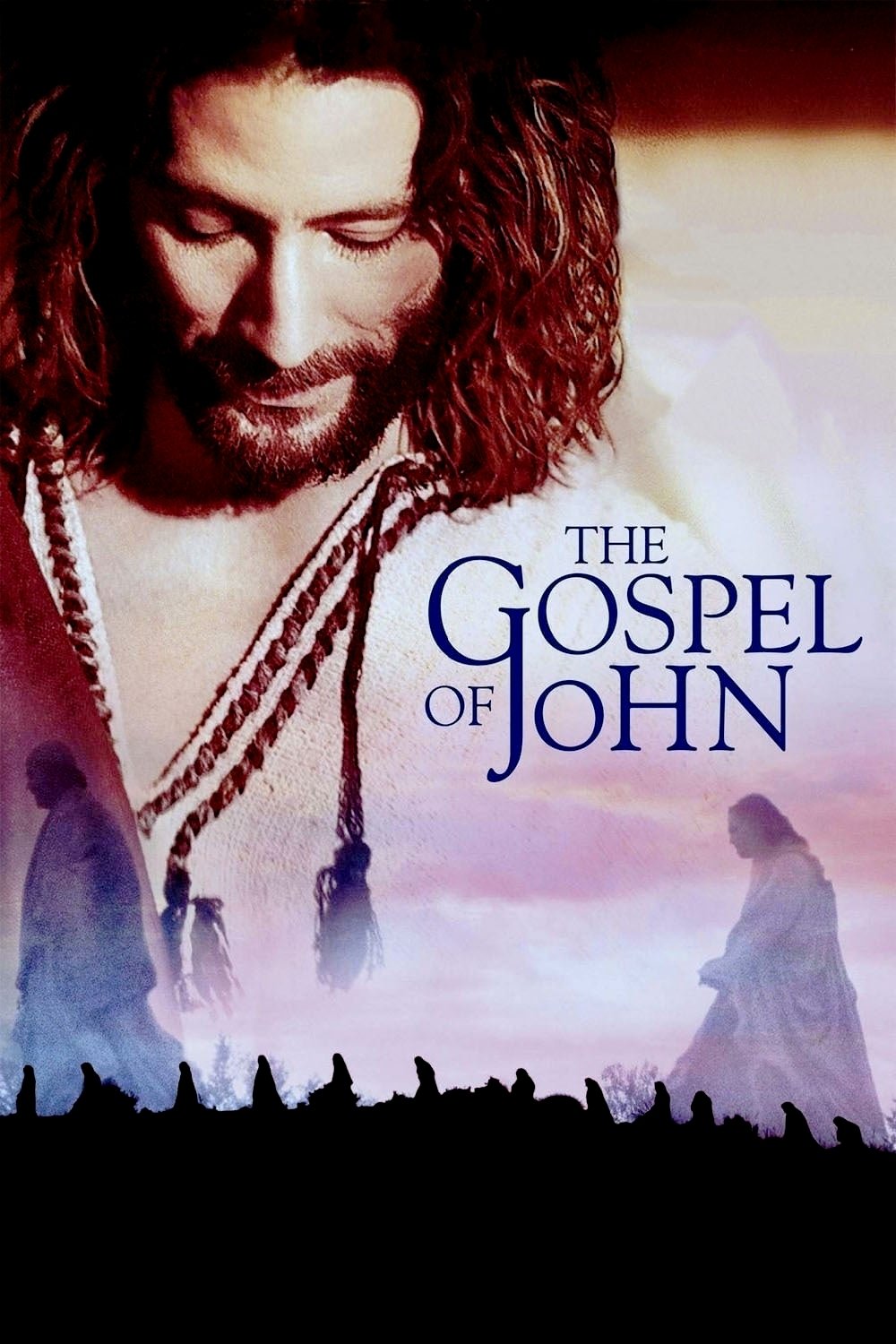 The Gospel of John2003-09-11A word for word depiction of the life of Jesus Christ from the Good News Translation Bible as recorded in the Gospel of John.More...
Similar Movies
B&B
 2017-04-13Gay Londoners Marc and Fred plan for a weekend of mischief, baiting the Christian owner of a remote Christian B&B. Events take a deadly turn when another guest arrives, who they think might have something more sinister in mind.
Prison Nurse
 1938-03-02A state prison is threatened by approaching floods, an epidemic of typhoid fever breaks out among the inmates, the prison's only doctor falls sick, there are only three nurses to administer vaccines and take care of stricken patients--and a group of prisoners is planning to use the chaos as a cover for a mass escape.
The Passion of Joan o...
 1928-04-21A classic of the silent age, this film tells the story of the doomed but ultimately canonized 15th-century teenage warrior. On trial for claiming she'd spoken to God, Jeanne d'Arc is subjected to inhumane treatment and scare tactics at the hands of church court officials. Initially bullied into changing her story, Jeanne eventually opts for what she sees as the truth. Her punishment, a famously brutal execution, earns her perpetual martyrdom.
Cool Runnings
 1993-10-01When a Jamaican sprinter is disqualified from the Olympic Games, he enlists the help of a dishonored coach to start the first Jamaican bobsled team.
The Color Purple
 1985-12-18An epic tale spanning forty years in the life of Celie, an African-American woman living in the South who survives incredible abuse and bigotry. After Celie's abusive father marries her off to the equally debasing 'Mister' Albert Johnson, things go from bad to worse, leaving Celie to find companionship anywhere she can. She perseveres, holding on to her dream of one day being reunited with her sister in Africa.
The Man with the Gold...
 1955-12-26When illegal card dealer and recovering heroin addict Frankie Machine gets out of prison, he decides to straighten up. Armed with nothing but an old drum set, Frankie tries to get honest work as a drummer. But when his former employer and his old drug dealer re-enter his life, Frankie finds it hard to stay clean and eventually finds himself succumbing to his old habits.
The Experiment
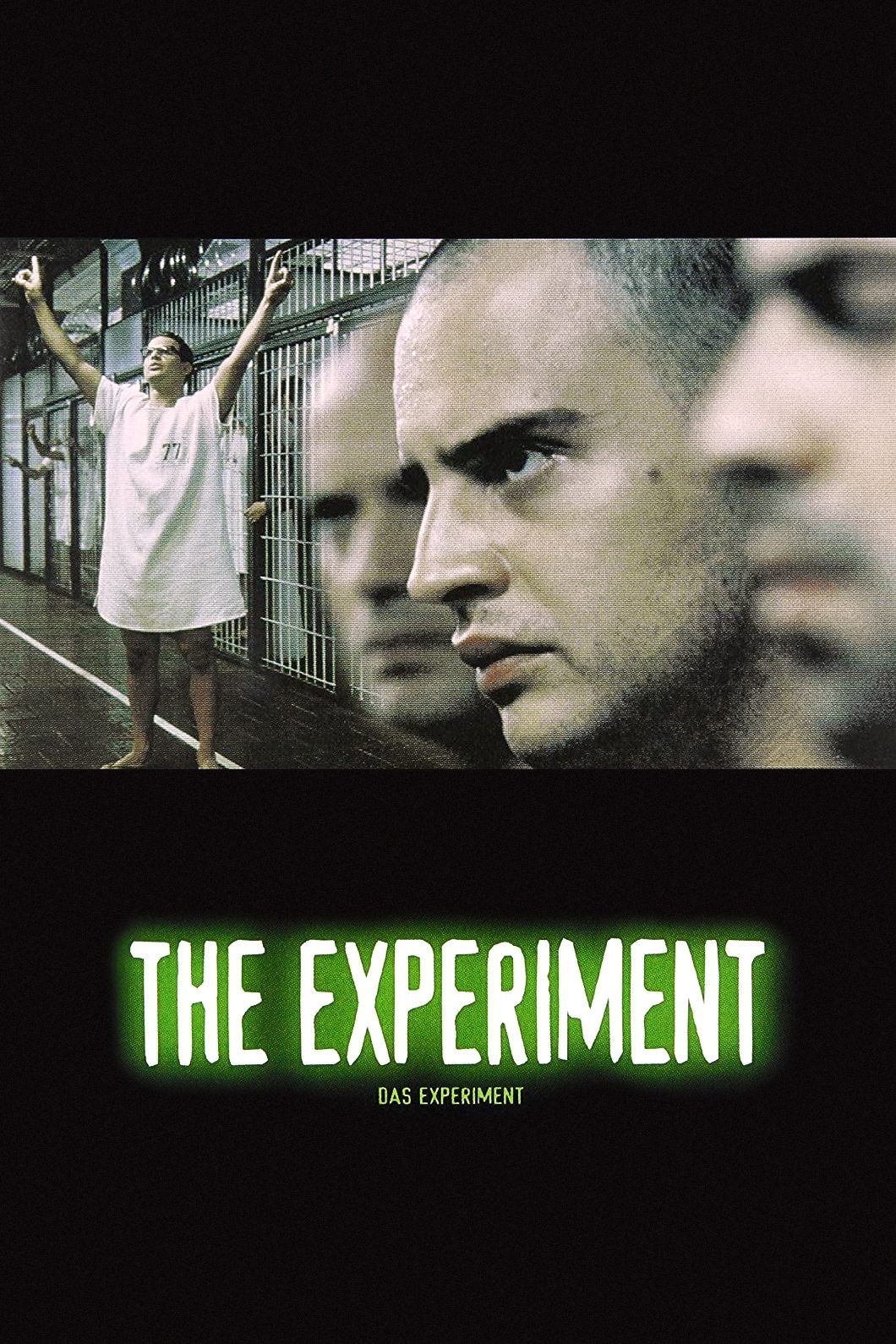 2001-03-0820 volunteers agree to take part in a seemingly well-paid experiment advertised by the university. It is supposed to be about aggressive behavior in an artificial prison situation. A journalist senses a story behind the ad and smuggles himself in among the test subjects. They are randomly divided into prisoners and guards. What seems like a game at the beginning soon turns into bloody seriousness.
The Passion of the Ch...
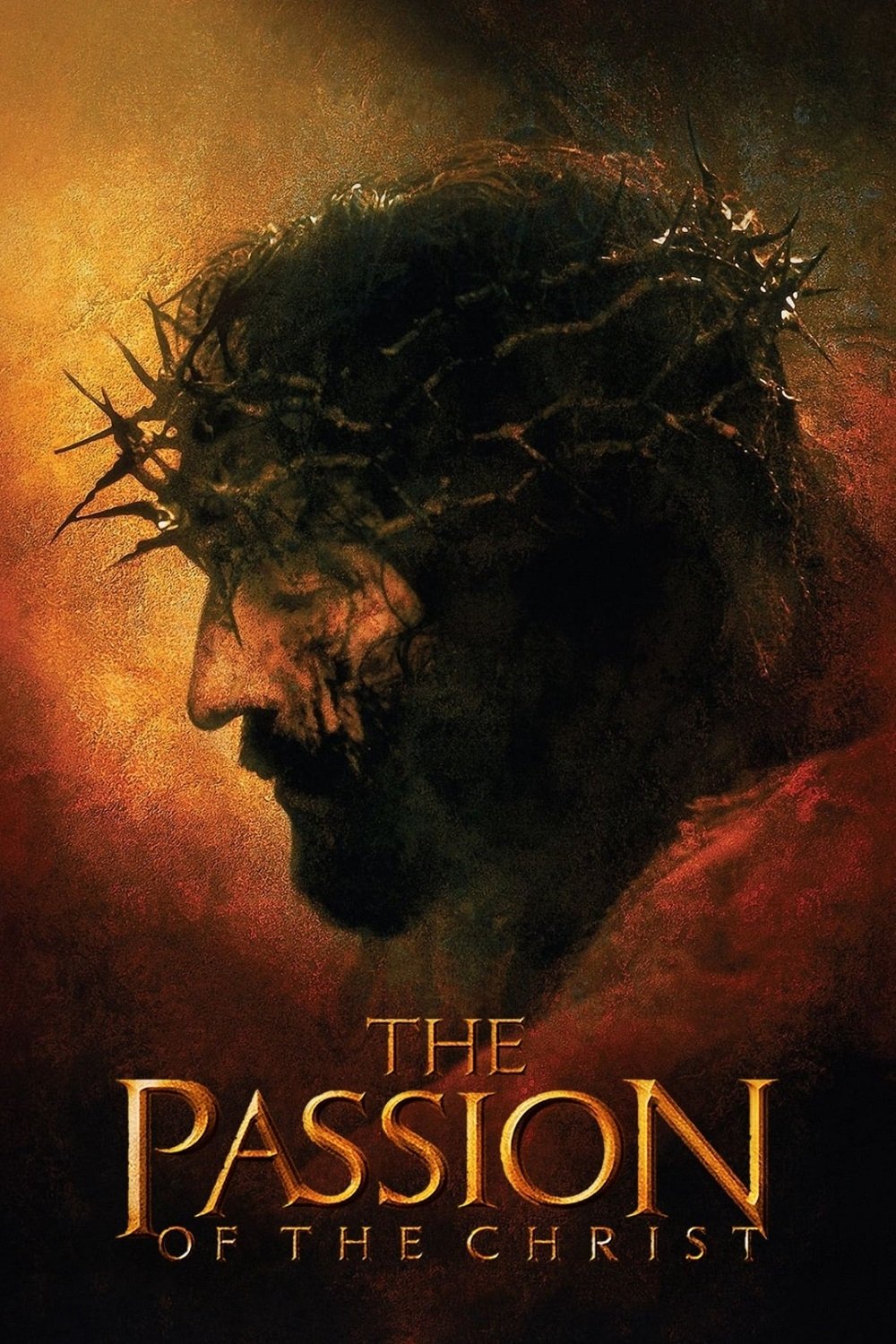 2004-02-25A graphic portrayal of the last twelve hours of Jesus of Nazareth's life.
THX 1138
 1971-03-11People in the future live in a totalitarian society. A technician named THX 1138 lives a mundane life between work and taking a controlled consumption of drugs that the government uses to make puppets out of people. As THX is without drugs for the first time he has feelings for a woman and they start a secret relationship.
Lost Highway
 1997-01-15A tormented jazz musician finds himself lost in an enigmatic story involving murder, surveillance, gangsters, doppelgängers, and an impossible transformation inside a prison cell.
Ben-Hur
 1959-11-18In 26 AD, Judah Ben-Hur, a Jew in ancient Judea, opposes the occupying Roman empire. Falsely accused by a Roman childhood friend-turned-overlord of trying to kill the Roman governor, he is put into slavery and his mother and sister are taken away as prisoners.
Dead Man Walking
 1995-12-29A death row inmate turns for spiritual guidance to a local nun in the days leading up to his scheduled execution for the murders of a young couple.
Pickpocket
 1959-12-16Michel takes up pickpocketing on a lark and is arrested soon after. His mother dies shortly after his release, and despite the objections of his only friend, Jacques, and his mother's neighbor Jeanne, Michel teams up with a couple of petty thieves in order to improve his craft. With a police inspector keeping an eye on him, Michel also tries to get a straight job, but the temptation to steal is hard to resist.
GoodFellas
 1990-09-12The true story of Henry Hill, a half-Irish, half-Sicilian Brooklyn kid who is adopted by neighbourhood gangsters at an early age and climbs the ranks of a Mafia family under the guidance of Jimmy Conway.
Streets of Hope
 2014-08-19Inspired by the true story about Rev. Roger Minassian who at the age of 53 left the security of his pastorate to step outside his comfort zone to do the truly amazing. Knowing nothing about gang youth, he took to the streets and transformed our city, ravaged by gang violence, by taking over 1,700 gang kids off of our streets. It is also the story of Santos Delgado, a gang member, who at age 16 had no future and little hope. He knew his future was either prison or death. His girlfriend was pregnant. He had to make life-changing decisions. This film is about taking risk, embracing change, overcoming the impossible, and finding hope.
Escape
 1980-02-20The true story of Dwight Worker, an American who was caught smuggling drugs in Mexico, and sentenced to fortress-like Lecumberri Prison where he endured brutal conditions. With the help of his wife, Barbara, he escaped the prison by disguising himself as a woman. He was the first prisoner to escape Lecumberri since Pancho Villa.
Love Comes Softly
 2003-04-13Nineteen year old pioneer woman Marty has recently married. She goes west with her husband Clem, hoping to start a new life. But Clem unexpectedly dies, and Marty finds herself alone, two months pregnant. Widower Clark offers her a marriage of convenience: she needs food and money, and he needs someone to take care of his daughter Missie. She accepts his proposal as a temporary solution.
The First Rules
 2017-07-09Set in Rebibbia (a prison in Rome), the short film follows the lives of three inmates waiting for an interrogation.
Rocky Balboa
 2006-12-20When he loses a highly publicized virtual boxing match to ex-champ Rocky Balboa, reigning heavyweight titleholder Mason Dixon retaliates by challenging the Italian Stallion to a 10-round exhibition bout. To the surprise of his son and friends, Rocky agrees to come out of retirement and face an opponent who's faster, stronger and thirty years his junior. Rocky takes on Dixon in what will become the greatest fight in boxing history!
3-Iron
 2004-10-15A drifter lives in people's houses while they are away and repays them by doing chores for them. His life changes when he meets a beautiful woman who wants to escape her unhappy marriage.