
Transit
Reviews

Stephen Campbell
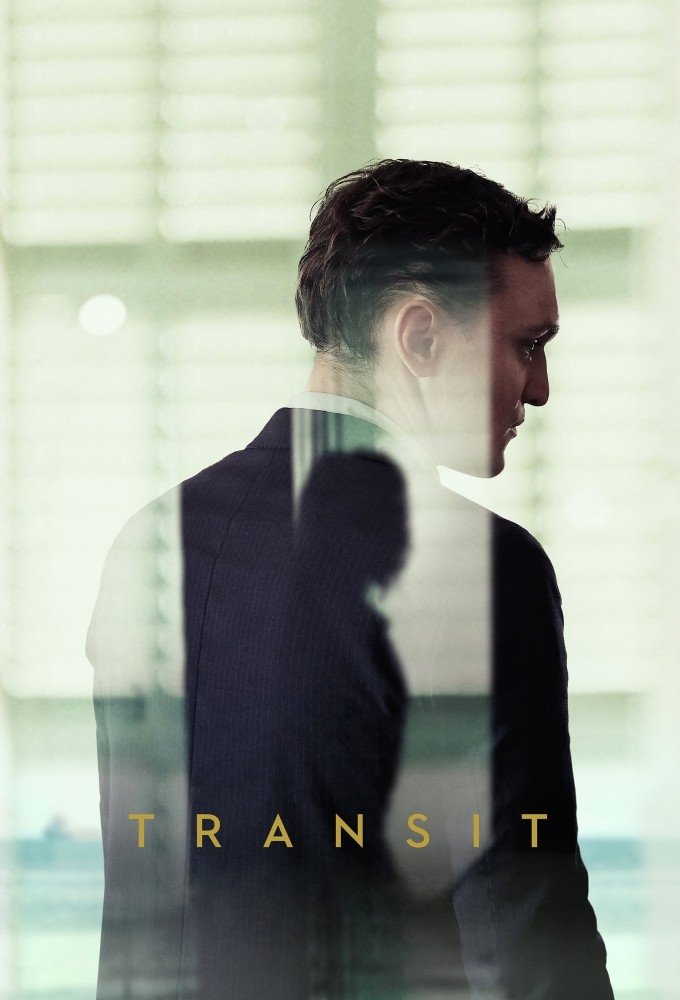
**_Built upon a fascinating temporal/cognitive dissonance that works well, but the narrative is painfully dull and the characters taciturn_** > _The tradition of the oppressed teaches us that the 'state of emergency' in which we live is not the exception but the rule. We must attain to a conception of history that is in keeping with this insight. Then we shall clearly realise that it is our task to bring about a real state of emergency, and this will improve our position in the struggle against fascism._ - Walter Benjamin; "Über den Begriff der Geschichte" ["Theses on the Philosophy of History"] (1940) > _You know the fairy tale about the man who died, don't you? He was waiting in Eternity to find out what the Lord had decided to do with him. He waited and waited, for one year, ten years, a hundred years. He begged and pleaded for a decision. Finally he couldn't bear the waiting any longer. Then they said to him: 'What do you think you're waiting for? You've been in Hell for a long time already._ - Anna Seghers; _Transit_ (1944) > _Being a refugee is much more than a political status. It is the most pervasive kind of cruelty that can be exercised against a human being. By depriving a person of all forms of security, the most basic requirements of a normal life, by cruelly placing that person in inhospitable host countries that do not want to receive this refugee, you are forcibly robbing this human being of all aspects that would make life, not just tolerable, but meaningful in many ways._ - Ai Weiwei; _Human Flow_ (2017) _Transit_ is based on Anna Segher's 1944 novel of the same name about a German concentration camp survivor seeking passage from Vichy Marseilles to North Africa in 1940, as the Nazis move ever closer to the city. However, rather than a 1:1 adaptation, the film is built upon a fascinating structural conceit – although it tells the same story as Segher's novel, it is set in the here and now. At least, some elements are set in the here and now. In fact, only part of the film's _milieu_ is modern. So, although such things as cars, ships, weaponry, and police uniforms are all contemporary, there are no mobile phones, no computers, people still use typewriters and send letters, and the clothes worn by the characters are the same as would have been worn at the time. Think of it this way – we've all seen modern dress productions of Shakespeare (from Barry Jackson's introduction of the concept in the 1923 Birmingham Reparatory Theatre production of _Cymbeline_ to Orson Welles's 1937 Mercury Theatre production of _Julius Caesar_, on up to films such as Richard Loncraine's 1995 adaptation of _Richard III_ and Baz Luhrmann's 1996 adaptation of _Romeo and Juliet_). So it would be like a Shakespeare production in which everyone is wearing modern dress, but they're still fighting with swords. In essence, what this means is that the film is set neither entirely in 1940 nor entirely in 2019, but in a strange kind of temporal halfway-house, borrowing elements from each. There's a fairly obvious reason that writer/director Christian Petzold (_Yella_; _Barbara_; _Phoenix_) employs this strategy, and it has to be said, it works exceptionally well, with the film's thematic focus symbiotically intertwined with its aesthetic to a highly unusual degree. In this sense, although the film ostensibly tells a story about 1940s Europe, its focus on refugees and its pseudo-modern setting mean that it also acts as something of a "state of the nation" address for Europe in 2019. In particular, it speculates as to what could happen in the not too distant future, given the rise of militant anti-immigration rhetoric and neo-fascist political ideology. The film doesn't so much suggest that history is repeating itself, as postulate that there's no historical difference between then and now. Unfortunately, aside from this daring aesthetic gambit, not much else worked for me, with the plot painfully somnolent and the characters void of virtually any relatable emotion. The film begins in Paris, as Georg (Franz Rogowski) is entrusted with delivering some papers to George Weidel, a famous communist author currently in the city. After narrowly avoiding arrest, Georg makes his way to Weidel's hotel room but finds the writer has committed suicide. Taking an unpublished manuscript, two letters from Weidel to his wife Marie, and Weidel's transit visa for passage to Mexico, Georg and his companion Heinz (Ronald Kukulies) stowaway on a train heading for Marseilles, one of the few European ports not yet under the control of the "fascists", and where the hotels will only accept guests who can prove they will soon be leaving (i.e. people who already have transit visas for passage to another country). _En route_, Heinz dies from an infection, and upon arriving in Marseilles, Georg visits Heinz's Moroccan wife, Melissa (Maryam Zaree), to break the news. However, when he discovers that she's deaf, he has to explain Heinz's death through her young son, Driss (Lilien Batman), with whom he quickly forms a bond. Meanwhile, he heads to the Mexican consulate intending to return Weidel's belongings in the hopes they may get to his wife. However, when he is mistaken for Weidel himself, he realises he has a chance to escape Europe, with Weidel booked on a ship sailing in a few days. As Georg awaits passage, he has several encounters with a mysterious woman, who, it is soon revealed is none other than Marie Weidel (Paula Beer), who is waiting for word from her husband. Not telling her that Weidel is dead, Georg finds himself falling for her, and begins to contemplate the new life he believes they can make together. However, things become more complicated when Driss takes ill and is tended to by local doctor, Richard (Godehard Giese), himself a refugee who is currently in a relationship with Marie and is desperate to flee with her so as to begin work in a children's hospital in Mexico. Weidel's transit visa, however, is for only two people. With a _milieu_ that is authentic to neither the 1940s nor the 2010s, _Transit_ is _Casablanca_ filtered through Franz Kafka; it's what you might imagine if Sam (Dooley Wilson) played a polyphonic synthesizer, but Rick Blain (Humphrey Bogart) was still a Spanish Civil War veteran. Shot on location in Paris and Marseilles, everything from street signs to cars (including a few electric ones) to the front of buildings is modern, whilst Hans Fromm's crisp digital photography hasn't been aged in any way whatsoever (people who had a problem with Michael Mann shooting _Public Enemies_ (2009) on digital will be especially unimpressed). In terms of cultural signifiers, Petzold keeps it fairly vague, although there is a reference to, of all things, George A. Romero's _Dawn of the Dead_ (1978), whilst the closing credits are scored by Talking Heads' "Road to Nowhere" (1982). Aside from that, Petzold avoids the minefield of choosing which cultural artefacts to include and which to leave out. However, for everything that seems to locate the film in the 21st century, there's something which seems to locate it in the 1940s, whether it be the absence of mobile phones, computers, and the internet, the ubiquity of typewriters and letters, or the clothes worn by the characters (except the police, who are dressed in modern riot gear). Along the same lines, Petzold keeps the politics generalised, with no mention of Nazis, concentration camps, or the Holocaust (indeed, it is never fully established why Georg himself is fleeing, although one assumes it's because he's a Jew). Instead of these specifics, the film makes references to archetypal "fascists", never-defined "camps", and systemic "cleansing". As an aside, the fact that so many of the refugees are trying to reach Mexico carries its own political undercurrent, with Mexican immigration to the US such a hot-button topic at the moment. In this sense, the film's racially motivated raids, importance of documentation, and inhumane detention conditions allude to 2019 as much as they recall 1940. The combination of liminal elements of modernity and period-specific history sets up a temporal/cognitive dissonance which places the narrative somewhere between fact and allegory, as if it were inverted magic realism. This, in effect, forces the audience to move beyond the abstract notion that what once happened could happen again. Instead, we are made to recognise that the difference between past and present is an unimportant semantic distinction only, and that that which once happened never really stopped happening; political displacement today is, for all intents and purposes, just as it was in 1940. Indeed, given the resurgence of Neo-Fascism across Europe, built primarily on irrational xenophobic fears of the Other in the form of immigration, the refugee crisis could very well become a global crisis (some would argue it already is), with Transit attempting to serve as a wake-up call. Along the same lines, the film's temporal dislocation suggests both the specificity and the universality of the refugee experience – every refugee is fundamentally unique, but so too is the experience the same, irrespective of when or where it happens. The important point here is that Petzold was able to lift a story from 1940 and place it in a relatively modern _milieu_ without changing much. The fact that conditions in 1940 can so easily slot into 2019 speaks to his central theme – nothing has changed for refugees. The other important aesthetic choice is the use of a very unusual voiceover narration. Introduced out of the blue as Georg begins reading Weidel's manuscript at around the 20-minute mark, there's no initial indication as to the narrator's identity or when the narration is taking place. Additionally, the narrator is unreliable, as on occasion he describes something differently to how we see it. At the same time, the voice seems to alternate between omniscience and rigid subjectivity; at times, he speaks about something beyond Georg's perception (Georg is the focaliser throughout the entire film), at other times he describes Georg's innermost thoughts. The narration also "interacts" with the dialogue at one point – in a scene between Georg and Marie, their dialogue alternates with the VO; they get one part of a sentence and the VO completes it, or vice versa. However, although I really liked the temporal dissonance, the experimental VO didn't work nearly as well, serving primarily to smother the characters. The sudden introduction and the alternating range of the narrator's perceptions serves only to pull you out of the film as you try to answer a myriad of questions - where and when is the voice is coming from; what is its relationship to the narrative; are we hearing a character speak or someone outside the _fabula_; how can the narrator have access to Georg's innermost thoughts at some points but not at others; why is the voice able to accurately describe things not seen by Georg, but often inaccurately describe things which are; why does the narration seem to be ahead of the narrative at some points, behind it at others; what is the purpose of the pseudo-break of the fourth wall by having the VO alternate with dialogue? I certainly don't have answers to all of these questions, but I think the point of the destabilising/defamiliarising narration is to reinforce the importance of storytelling – the experience of being a refugee is not lineal or ordered, but a mass of stories within stories and fragments that often contradict one another. Thematically, Petzold has always been interested in issues of identity, political disenfranchisement, people desperate to leave somewhere, and ghosts (sometimes literal, sometimes existential), and _Transit_ is no exception. Weidel figuratively haunts the entire narrative, whilst Georg and the refugees, in general, exist as pseudo-ghosts, haunting Marseille until they can leave. However, this focus on ghosts also highlights several of the film's failings. To suggest the disenfranchised nature of what it is to be a refugee, Petzold depicts Georg as essentially a non-person; he has very little agency of his own and is instead someone to whom things happen. In short, he's passive, less a protagonist than a witness. Passive characters can work extremely well in the right circumstances (think of Luke Skywalker (Mark Hamill) in the first act of George Lucas's _Star Wars_, Chance Gardner (Peter Sellers) in Hal Ashby's _Being There_, or the most famous example, Hamlet), but here, passivity combines with a dearth of backstory and character development, whilst Rogowski plays the part without a hint of interiority. In essence, we see Georg wandering around Marseille a lot...like really a lot. And we don't see him doing a huge amount else. Easily the most successful scenes in the film are those showing his friendship with Driss because they're the only moments where he seems like a person rather than a narrative construct, they're the only parts of the film that ring emotionally true. That this is so is a serious problem, as the friendship is very much a subplot, and is secondary to the love story between Georg and Marie. Except that it isn't a love story; there's no emotional realism to it whatsoever, with the two characters becoming involved for no reason other than it said they had to in the script. I do understand what Petzold is going for here. He doesn't want a Hollywood love story of fireworks and poetic monologues, he wants to show that the war and their status as refugees has stripped them of their identities, and they are now effectively shells. However, this in no way necessitates such a badly written relationship void of any and all emotional truth. What Petzold is trying to do in his characterisation of Georg is clear enough; as an archetypal refugee, Georg can't be seen to have much control over his affairs as that would betray the actual experiences of real refugees. In this sense, his time in Marseille _must_ be static, an existence in-between more fully realised states. Petzold uses this to try to imply that to be divested of one's country is to be divested of one's identity. So, my criticism that Georg is a non-person is very much built into the film's DNA. Am I criticising the film for doing what it set out to do, and for doing it exceptionally well? Not really. I understand that Georg must be passive. However, the extent of his passivity renders him completely unrealistic – he's not a person, he's a robot, and the Georg at the end of the film is the same character as he is at the start. Tied to this is the lack of forward narrative momentum. Again, I understand that Petzold is trying to stay true to the experience, that the life of a refugee in a place like Marseille in 1940 must necessarily involve a lot of waiting, a lot of repetition, and a lot of frustration. But again, it's the extent to which the film goes to suggest this, with entire sections going by without anything resembling a dramatic event. Yes, inertia is part of the theme insofar as the film depicts people suffering from crippling inertia, but it doesn't necessarily follow that the film needs to be so unrelentingly dull and uneventful. Easily the most egregious problem is one that arises from a combination of these issues – it's impossible to care about any of the characters. Think of films as varied as Markus Imhoof's _Das Boot ist voll_ (1980), Terry George's _Hotel Rwanda_ (2004), or Aki Kaurismäki's _Le Havre_ (2011) and _Toivon tuolla puolen_ (2017). All depict refugees from various conflicts at various stages of their journeys, and all ring true emotionally, because they are populated by characters about whom we come to care. This is precisely what _Transit_ is lacking. There is simply no pathos, with none of the characters coming across as anything but a cipher, a representative archetype onto which Petzold can project his thematic concerns. With little in the way of psychological verisimilitude or interiority, they simply never come alive as real people. An intellectual film rather than an emotional one, _Transit_ is cold and distant and has a hugely unimportant and out-of-place voiceover narration (although to be fair, the VO is the only thing which allows us access to Georg's feelings). And this coldness and distance has a cumulative effect, with the film eventually outlasting my patience. The temporal dissonance works extremely well, but it's really all the film has going for it. Petzold says some interesting things regarding the experience of refugees in the 21st century _vis-à-vis_ refugees of World War II, and the mirror he holds up to our society, showing us how such people are treated, isn't especially flattering. If only we could care about someone on screen. Anyone.
Movie Recommendation
 Lovely Trash2019-02-13Following protests to the presidential election in 2009, an elderly woman has one night to clear her house of any politically troublesome belongings of her family. To help her out; her deceased husband, her executed brother and two martyred and immigrated sons are back to life in their picture frames.More...
 Farewell Amor2020-01-25Reunited after a 17-year separation, Walter, an Angolan immigrant, is joined in the U.S. by his wife and teenage daughter. Now absolute strangers sharing a one-bedroom apartment, they discover a shared love of dance that may help overcome the emotional distance between them.More...
 Seventh Code2013-11-13Akiko, a young woman, comes to Vladivostok to meet Matsunaga, a young businessman she has met in Tokyo only once. Akiko finally finds Matsunaga. However, he leaves her again, warning her not to trust strangers in a foreign country. She tries to follow him, but she is attacked by thugs and dumped on the outskirts of town.More...
 The Boarder1954-02-25A prostitute goes on vacation to a beach resort with her young daughter (who's being schooled by nuns). Everything is cheerful and pleasant at the seashore; the customers at the hotel think she's a poor widow - she always wears black - and treat her like a lady. But when one of her former clients arrives, her carefree days on the beach are numbered.More...
 Shock1946-02-01In this thriller, psychiatrist Dr. Cross kills his wife and expects to get away with murder, until he discovers that the slaying was observed by a next-door neighbor, Janet Stewart. As Janet attempts to convince her husband of the doctor's dastardly deed, Cross shows up to advise him that Janet is in dire need of some in-depth counseling.More...
 Forest of the Gods2005-09-23The story about one man - an artist and an intellectual - who was imprisoned by two brutal regimes, the Nazis and the Soviets. 'The Professor' is a man who lives by his own personal version of the Ten Commandments. After miraculously surviving imprisonment in a Nazi concentration camp through a bit of ironic fate, he writes a memoir of his life, which becomes the target of the Soviet censors. The so-called "freedom" of Communism becomes just as oppressive as the German concentration camp.More...
 The Seventh Cross1944-07-24In Nazi Germany in 1936 seven men escape from a concentration camp. The camp commander puts up seven crosses and, as the Gestapo returns each escapee he is put to death on a cross. The seventh cross is still empty as George Heisler attempts an escape to freedom in Holland.More...
 Secrets Secrets1985-03-15Young terrorist Laura shoots both a judge and a comrade, and over time her violent act becomes a thread linking the lives and fates of several other women. Each has her own secret, including the lawyer who listens to Laura as if in a ‘trance’: moments before, she discovered her husband was cheating.More...
 Terribly Happy2008-07-15Robert Hansen, 34, a young police officer from Copenhagen, is transferred against his will to the small town of Skarrild in Southern Jutland as a substitute Marshall. The transfer is Robert’s chance to start over. Whether he is allowed to return to his job in Copenhagen, all depends on how well he performs in this frontier town.More...
 The Outside Man1972-12-21A French hit man is hired by a crime family to end the life of a rival mobster, but things fall apart when the boss who hired him is killed.More...
 Cobra Verde1987-12-03A fearsome 19th century bandit, Cobra Verde cuts a swath through Brazil until he arrives at the sugar plantation of Don Octávio Countinho. Not knowing that his new guest is the notorious bandit and impressed by his ruthless ways, Don Octávio hires Cobra Verde to oversee his slaves. But when Cobra Verde impregnates Don Octávio’s three daughters, the incensed plantation owner exiles the outlaw to Africa where he is expected to reopen the slave trade. Following his trans-Atlantic journey, Cobra Verde exploits tribal conflicts to commandeer an abandoned fortress and whips an army of naked warriors into a frenzied bloodlust as he vies for survival.More...
 Play2011-11-11In central Gothenburg, Sweden, a group of boys, aged 12-14, robbed other children on about 40 occasions between 2006 and 2008. The thieves used an elaborate scheme called the 'little brother number' or 'brother trick', involving advanced role-play and gang rhetoric rather than physical violence.More...
 Sisi & I2023-03-30After an elaborate application process, Empress Elisabeth of Austria hires Countess Irma as her new lady-in-waiting and takes her to her summer residence on Corfu. As the two women become closer there, this soon leads to tensions back in Vienna.More...
 The Good Girls2019-03-22Sofía, a well-to-do socialite and her husband must wrestle with the impact of Mexico's 1982 economic crisis.More...
 Ghost in the Shell: Arise - Border 4: Ghost Stands Alone2014-09-06The upcoming installment's story takes place amidst signs of postwar reconstruction in the winter of 2028. Tensions are rising in New Port City as demonstrations are held concerning the interests of foreign cartels. This leads to a shooting incident involving riot police. It all started with a cyberbrain infection released by the terrorist "Fire Starter." An independent offensive unit led by Makoto Kusanagi entrusts the suppression of the situation to their ghosts and aims for their own justice. Below the surface of the incident, lies the "tin girl" Emma and the "scarecrow man" Burinda Junior. As Kusanagi deals with the incident, she draws near to what those two ghosts were seeking.More...
 A Cop1972-10-01A Parisian police chief has an affair, but unbeknownst to him, the boyfriend of the woman he’s having an affair with is a bank robber planning a heist.More...
 In July2000-08-23Daniel’s drab existence as a physics teacher takes an adventurous turn when he falls in love with a Turkish girl named Melek. He spontaneously decides to follow her to Instanbul by car. On the road across Europe, he picks up his free-spirited friend Juli, who is secretly in love with him.More...
 Museo2018-08-23Mexico, 1985. Juan and Wilson, two perennial Veterinary students, perpetrate an audacious heist in the National Museum of Anthropology, running away with a loot of more than hundred invaluable pieces of Mayan art, unaware of the consequences of their outrageous act.More...
 Never Grow Old2019-03-15An Irish undertaker profits when outlaws take over a peaceful town, but his own family come under threat as the death toll increases dramatically.More...
 Fast Color2019-03-29A woman is forced to go on the run when her superhuman abilities are discovered. Years after having abandoned her family, the only place she has left to hide is home.More...
Similar Movies
Beauty & the Briefcas...
 2010-07-20A freelance writer looking for romance sells a story to Cosmopolitan magazine about finding love in the workplace and goes undercover at a Finance Company.
The Neon Bible
 1995-08-23During a train ride, a teenager recalls his upbringing in 1940s small-town Georgia and the events that have led to this point.
Beloved
 1998-10-16After Paul D. finds his old slave friend Sethe in Ohio and moves in with her and her daughter Denver, a strange girl comes along by the name of "Beloved". Sethe and Denver take her in and then strange things start to happen...
True Blue
 1996-11-15The story of the year the Oxford and Cambridge boat race changed from a gentleman's race to one where winning was everything.
Silent Fall
 1994-10-28Having seen the double murder of his parents, autistic youth Tim Warden is sent to therapy with controversial therapist Dr. Jake Rainer. Jake tries to probe the silent child about what he saw, but he gets more details about the Wardens' household dynamics from Tim's teenage sister, Sylvie. As he spends more time with the siblings, Jake learns that the Wardens' marriage was not as perfect as it seemed, and he uncovers other new details that might help solve the crime.
The Devil All the Tim...
 2020-09-11In Knockemstiff, Ohio and its neighboring backwoods, sinister characters converge around young Arvin Russell as he fights the evil forces that threaten him and his family.
Chuka
 1967-07-23A group under siege at an Army fort grapple with painful memories.
Ripley Under Ground
 2005-11-06After his friend, a hot young artist, is killed, a resourceful American man living in London covers up the crime and tries to keep the friend's name alive in order to exploit his legacy and reap millions in the process.
Coco Chanel & Igor St...
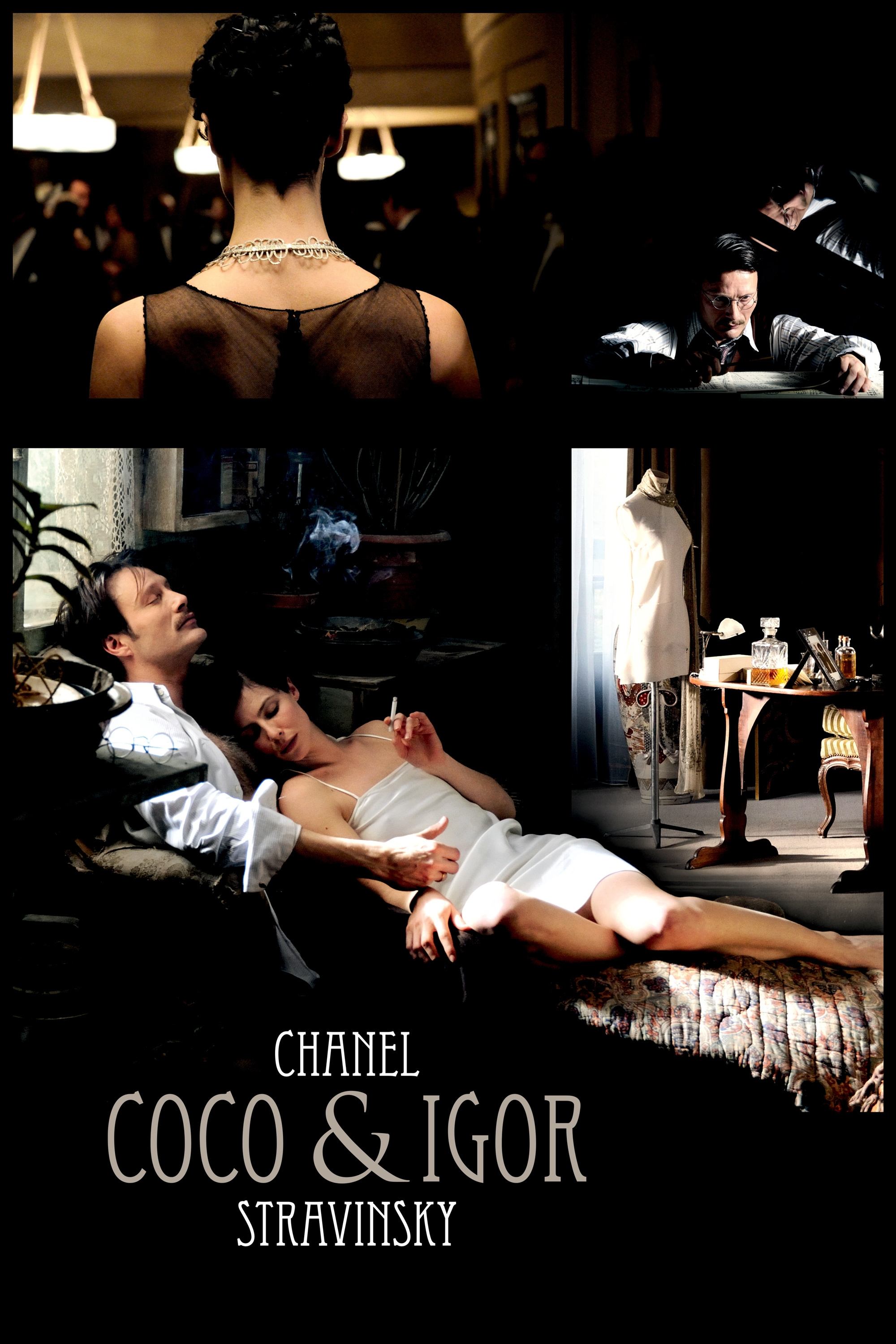 2009-09-24Paris 1913. Coco Chanel is infatuated with the rich and handsome Boy Capel, but she is also compelled by her work. Igor Stravinsky's The Rite of Spring is about to be performed. The revolutionary dissonances of Igor's work parallel Coco's radical ideas. She wants to democratize women's fashion; he wants to redefine musical taste. Coco attends the scandalous first performance of The Rite in a chic white dress. The music and ballet are criticized as too modern, too foreign. Coco is moved but Igor is inconsolable.
Sorcerer
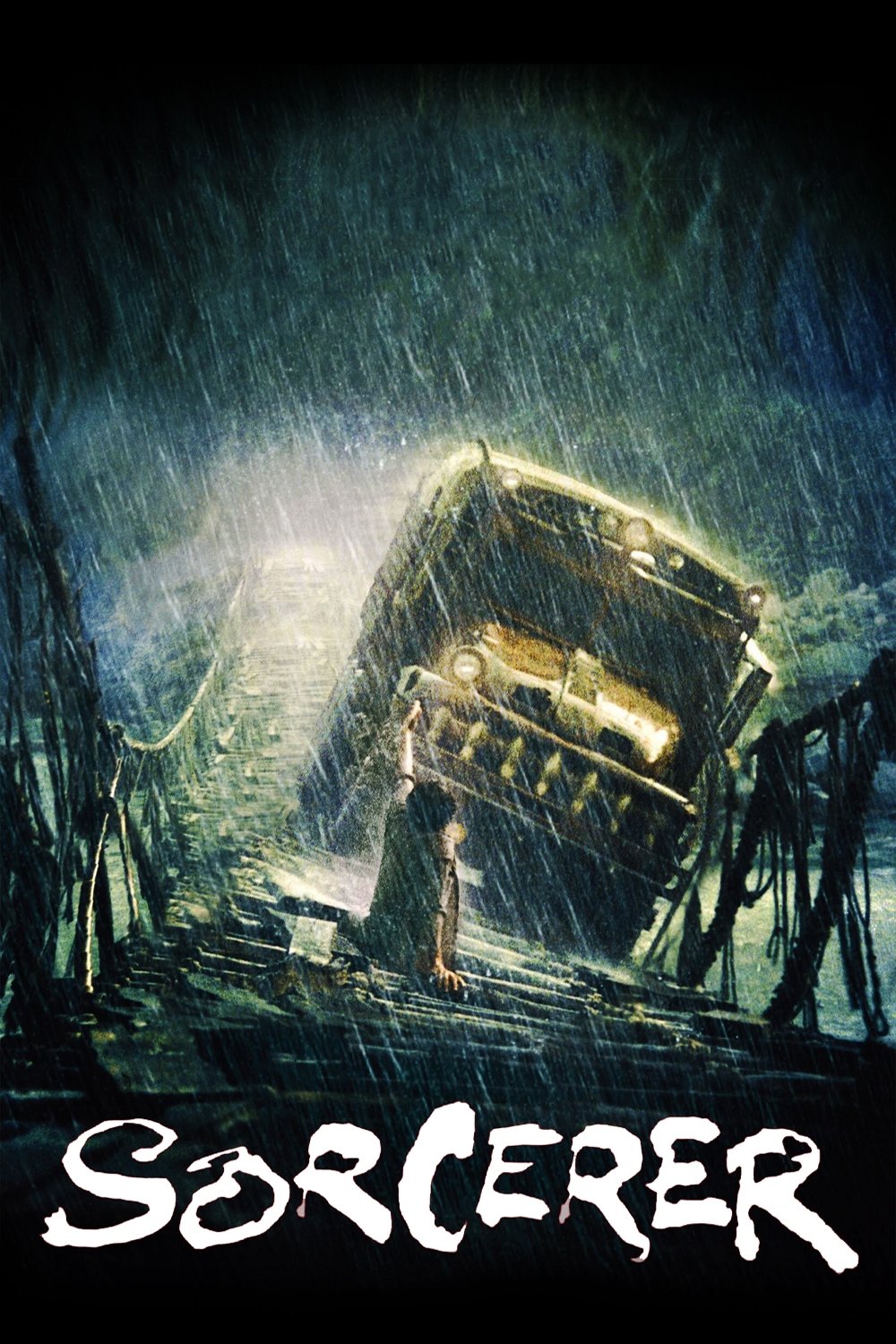 1977-06-24Four men from different parts of the globe, all hiding from their pasts in the same remote South American town, agree to risk their lives transporting several cases of dynamite (which is so old that it is dripping unstable nitroglycerin) across dangerous jungle terrain.
Remembrance
 1996-09-02To overcome the emotional scars of her own past, Vanessa Fullerton recounts her mother Serena's extraordinary life - and tragic death. Serena marries a dashing U.S. colonel, relinquishing her family's fortune. When her husband dies, an impoverished Serena struggles to care for her young daughter until noted photographer Vasili catapults Serena to fame. But Vasili hides a dangerous secret, a secret that leaves a painful legacy.
The Year of the Hare
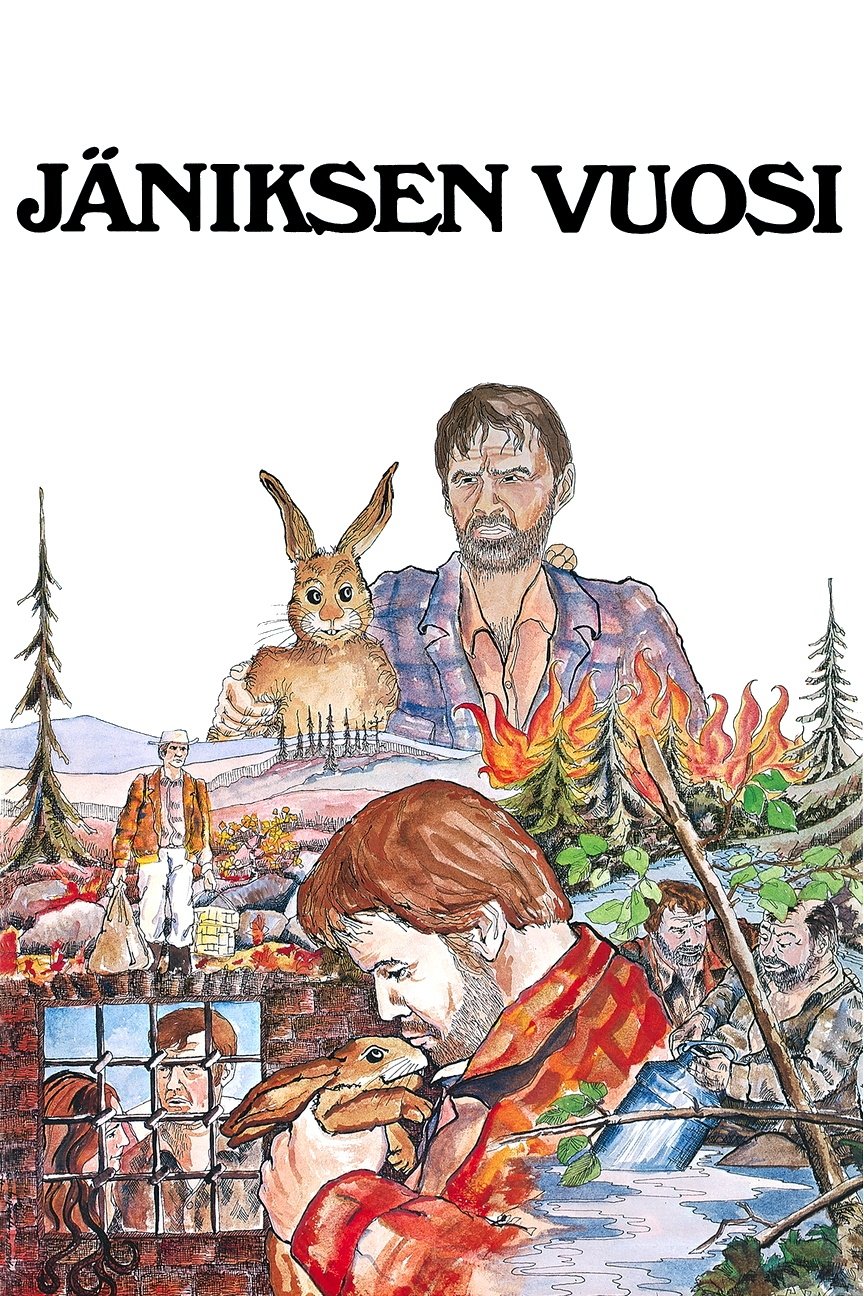 1977-12-23Young advertising executive Vatanen suddenly quits his job and his whole life in Helsinki, and decides to spend a while in the Finnish wilderness. A wounded hare hit by a car becomes his travel companion. Together they find reclusion in the Finnish Lapland, soon to be disturbed by a noisy group of foreign tourists and their pretentious Finnish hosts. When the hare gets ill and needs to see a vet, Vatanen must return to the city and finally face the choice between his new and former life
Preludes to Ecstasy
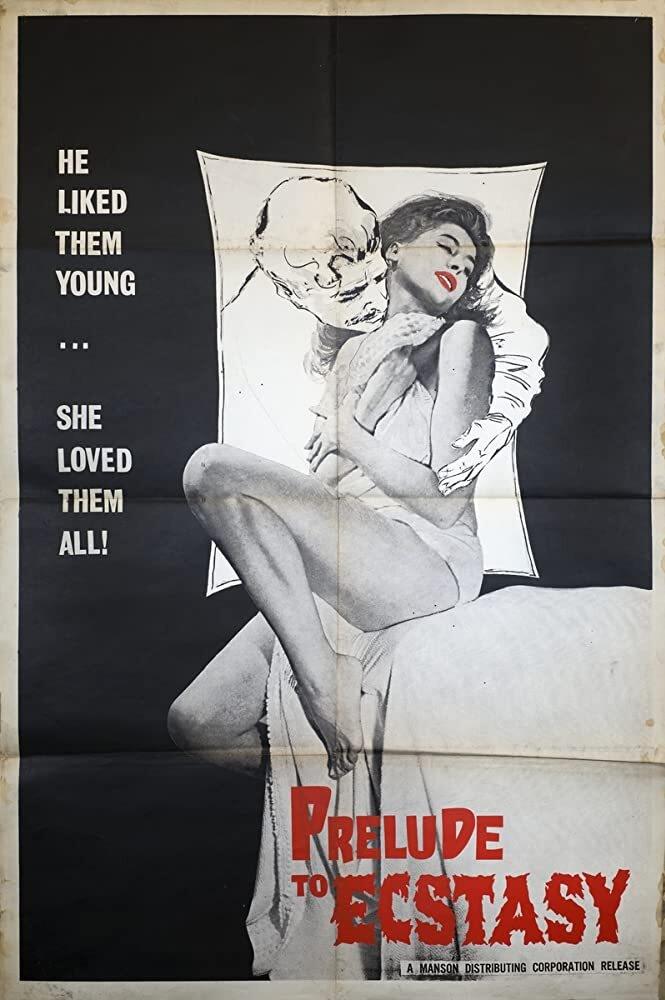 1961-12-01Sten Lehtoja, a married, middle-aged businessman, picks up a young hitchhiker, Elsie, while driving to his summer home. Elsie spends the night and becomes his mistress. Later during the summer, Elsie also begins an affair with Reino, the teenage son of a local storekeeper. Sten offers to divorce his wife, and Elsie, attracted by the prospect of a secure social position, agrees to marry him when the divorce becomes final. One night when the couple are in bed, Reino climbs a ladder and attempts to force his way into their room; he falls and breaks his neck, and to avoid scandal Sten hides the body. But the strain of guilt ruins the romance, and Elsie contacts the police, who arrest her lover.
Welcome to the Quiet ...
 2007-10-2028 year old freelance writer Sakura Asuka wakes up tied in a white room. The white room is a protected room located in an isolated ward of a psychiatric hospital. Sakura first became unconscious because of heavy alcohol use and a druge overdose. She’s confined in the single room because of her high risk of committing suicide. Sakura tried to talk to the nurses and doctors but they didn’t listen to her. Under the circumstances another patient Miki, who suffers from an eating disorder, leads her to understand the unknown world. But, Sakura is looking for the way to get back to the real world as soon as possible.
Winter's Bone
 2010-06-11After discovering her father put their house up for his bail bond and then disappeared, 17-year-old Ree Dolly must confront the local criminal underworld and the harsh Ozark wilderness in order to to track down her father and save her family.
Ritual
 2000-12-07A disillusioned filmmaker has an encounter with a young woman who has a ritual of repeating "Tomorrow is my birthday" everyday. He tries to communicate with her through his video camera.
Gie
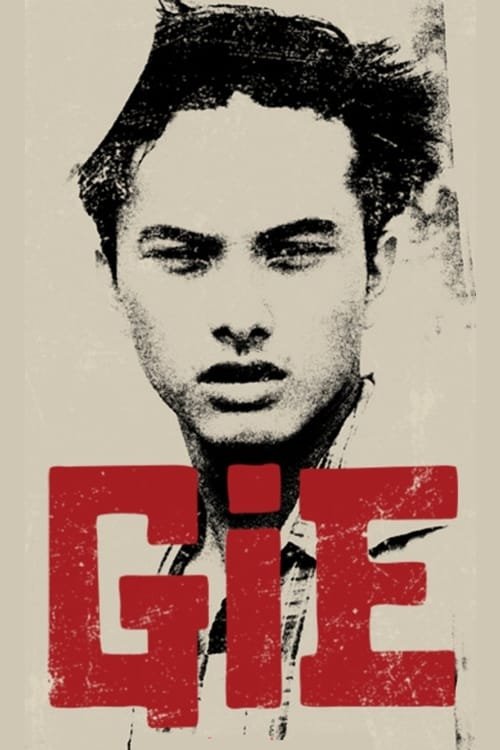 2005-07-13Indonesian activist Soe Hok Gie experiences a political awakening during the tumultuous regimes of Soeharto and Soekarno.
A Million Little Piec...
 2019-08-30A young drug-addled writer approaching the bottom of his descent submits to two months of agonizing detox at a treatment center in Minnesota.
Beastly
 2011-01-21A modern-day take on the "Beauty and the Beast" tale where a New York teen is transformed into a hideous monster in order to find true love.
The Story of Qiu Ju
 1992-08-31When her husband is kicked in the groin by the village head, Qiu Ju, a peasant woman, despite her pregnancy, travels to a nearby town, and later a big city to deal with its bureaucrats and find justice.