
Himalayan Herders
Release date: 1997-06-11
Votes: No data for this movie
Genres: Documentary
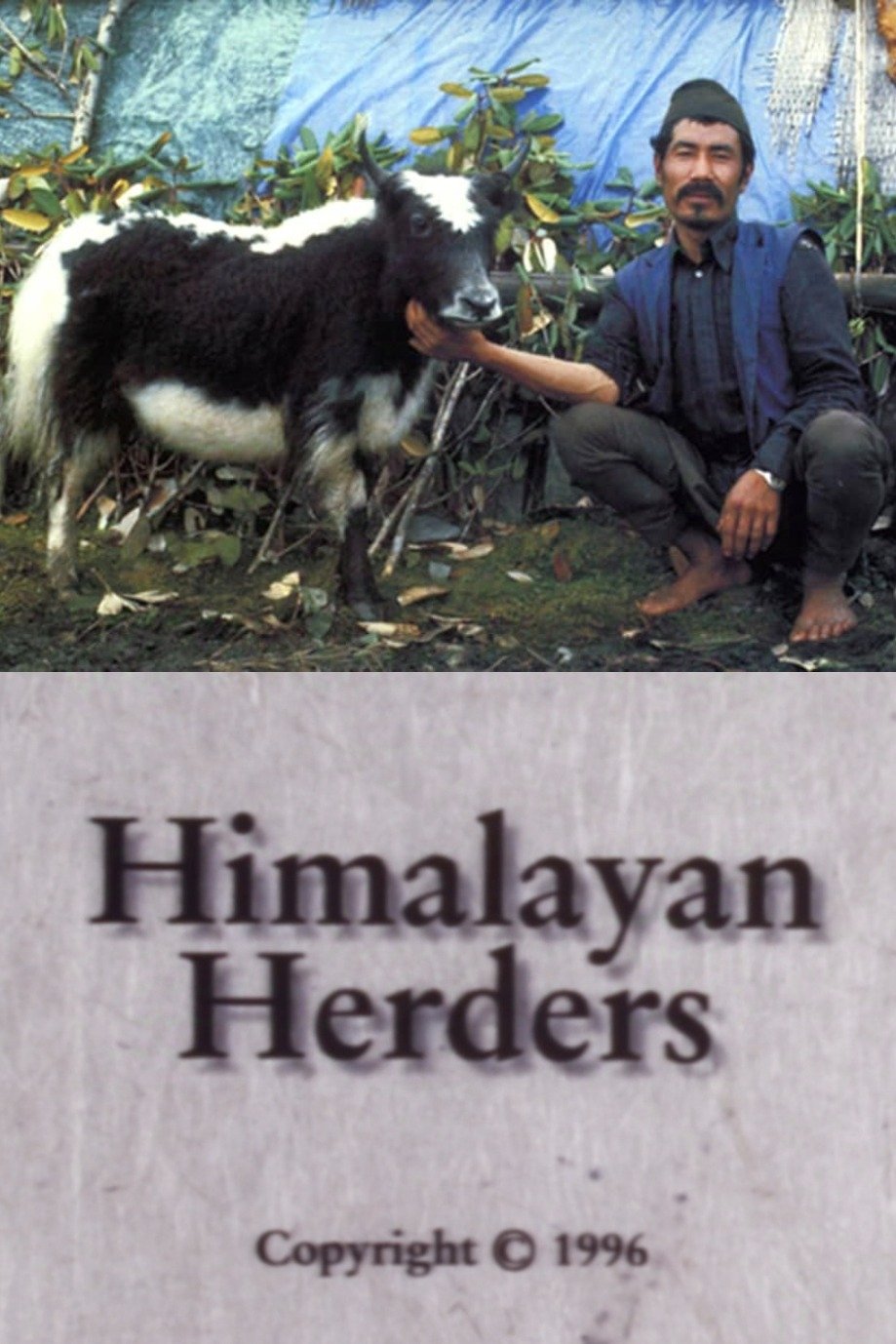
John Bishop and Naomi Bishop present a portrait a peculiar life style of the Himalayan indigenous Sherpa people in their documentary , the Himalayan Herders. The 76 minutes long film is about the diverse culture and life style of herders community near Mt. Everest region of Nepal.The film was made in 1997 as a part of Case Studies in Cultural Anthropology Series.
Reviews
No reviews for this movie.
Movie Recommendation
No recommendations for this movie.
Similar Movies
Etched in Bone
 2018-10-04Drawing on original footage from National Geographic, Etched in Bone explores the impact of one notorious bone theft by a member of the 1948 American-Australian Scientific Expedition to Arnhem Land. Hundred of bones were stolen and deposited in the Smithsonian Institution in Washington DC, until it became known to Arnhem elders in the late 1990s. The return of the sacred artefacts was called for, resulting in a tense standoff between indigenous tribespeople and the Department of Anthropology at the Smithsonian.
Nanga Parbat - Mein S...
 2021-07-01A tragic expedition to the Himalayas, told by the great mountaineer Reinhold Messner, who lost his brother there in 1970, swept away by an avalanche during the descent. An epic tale set against a grandiose backdrop.
Bamboo Theatre
 2019-09-22This film is a portrait of unique cultural space for Spirits, Gods and People. While permanent theatres are commonly built in most cosmopolitan modern cities, Hong Kong preserves a unique theatrical architecture, a Chinese tradition that has lasted more than a century - Bamboo Theatre.
Metal: A Headbanger's...
 2005-09-14The film discusses the traits and originators of some of metal's many subgenres, including the New Wave of British Heavy Metal, power metal, Nu metal, glam metal, thrash metal, black metal, and death metal. Dunn uses a family-tree-type flowchart to document some of the most popular metal subgenres. The film also explores various aspects of heavy metal culture.
A Venue For The End O...
 2014-09-14Haunted by uncanny similarities between Nazi stage techniques and the showmanship employed by modern entertainers, a filmmaker investigates the dangers of audience manipulation and leader worship.
High Tension
 2013-09-19Ueli Steck (Switzerland), Simone Moro (Italy) and Jon Griffith (GB) are not like 95% of the climbers on Everest: they don't use oxygen, altimeters (improperly called Sherpas), or fixed ropes. In 2013, the trio aims to repeat the arduous Western Spur. The Sherpas have the mission to equip the mountain with fixed ropes on this famous day, up to Camp 3: ropes without which customers of commercial expeditions could not climb Everest. An argument ensued, insults were hurled from both sides. The confrontation at Camp 2 degenerated: a Sherpa water bottle physically attacked the trio of Europeans. Blows and stones were thrown and threats led the trio to flee the mountain. The Réel Rock film crew, which is part of the climbing team, films this chaos without complacency.
Storm Over Everest
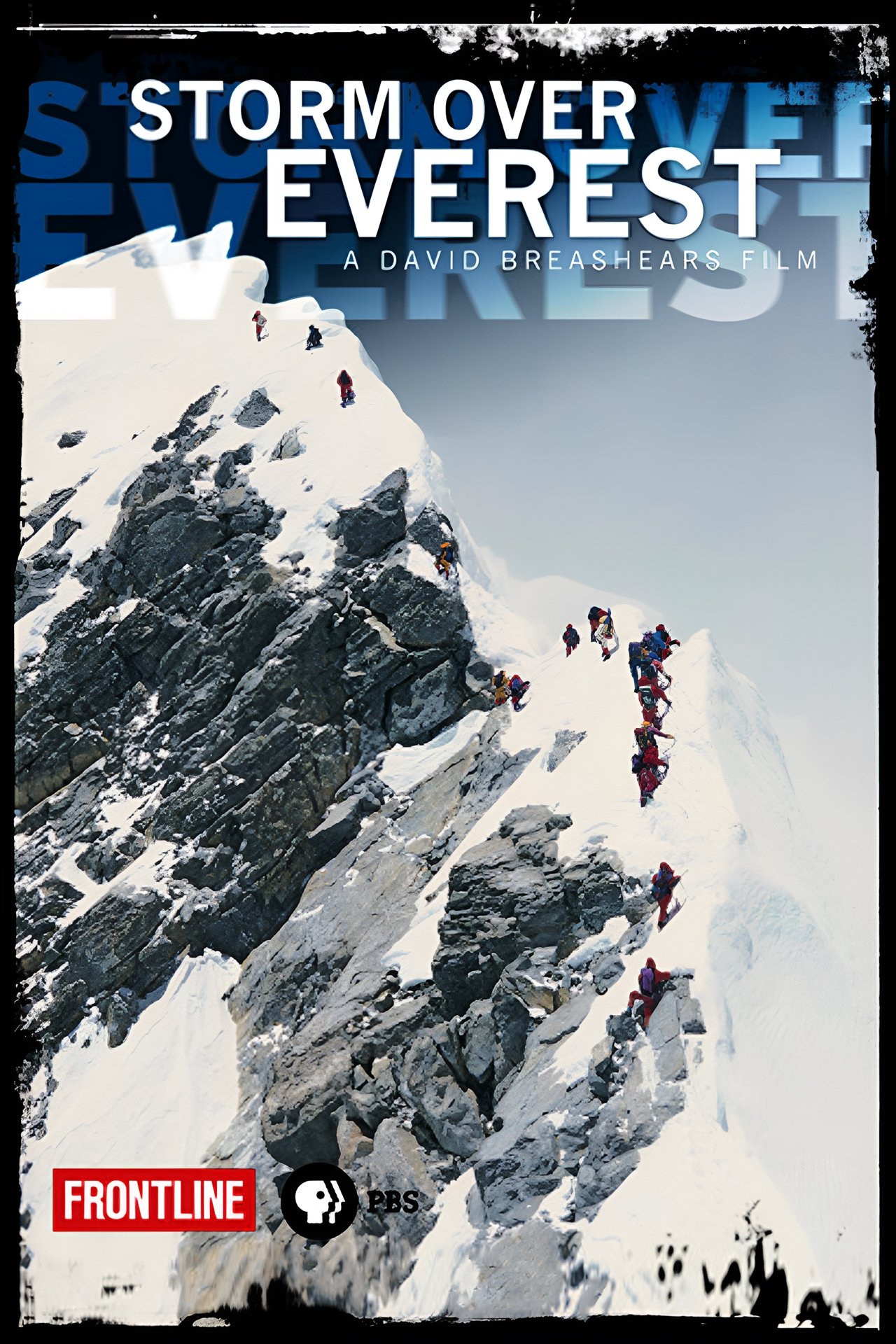 2008-05-13As darkness fell on May 10, 1996, a fast moving storm of unimaginable ferocity trapped three climbing teams high on the slopes of Mount Everest. The climbers, exhausted from their summit climb, were soon lost in darkness, in a fierce blizzard, far from the safety of High Camp at 26,000 feet. World-renowned climber and filmmaker David Breashears, who aided the rescue efforts back in 1996, now returns to Everest to tell the fuller story of what really happened on that legendary climb. Through remarkably intimate interviews with the climbers and Sherpas many who have never spoken before on American television Breashears sheds new light on the worst climbing tragedy in Mount Everest s history.
Himalaya: The Land of...
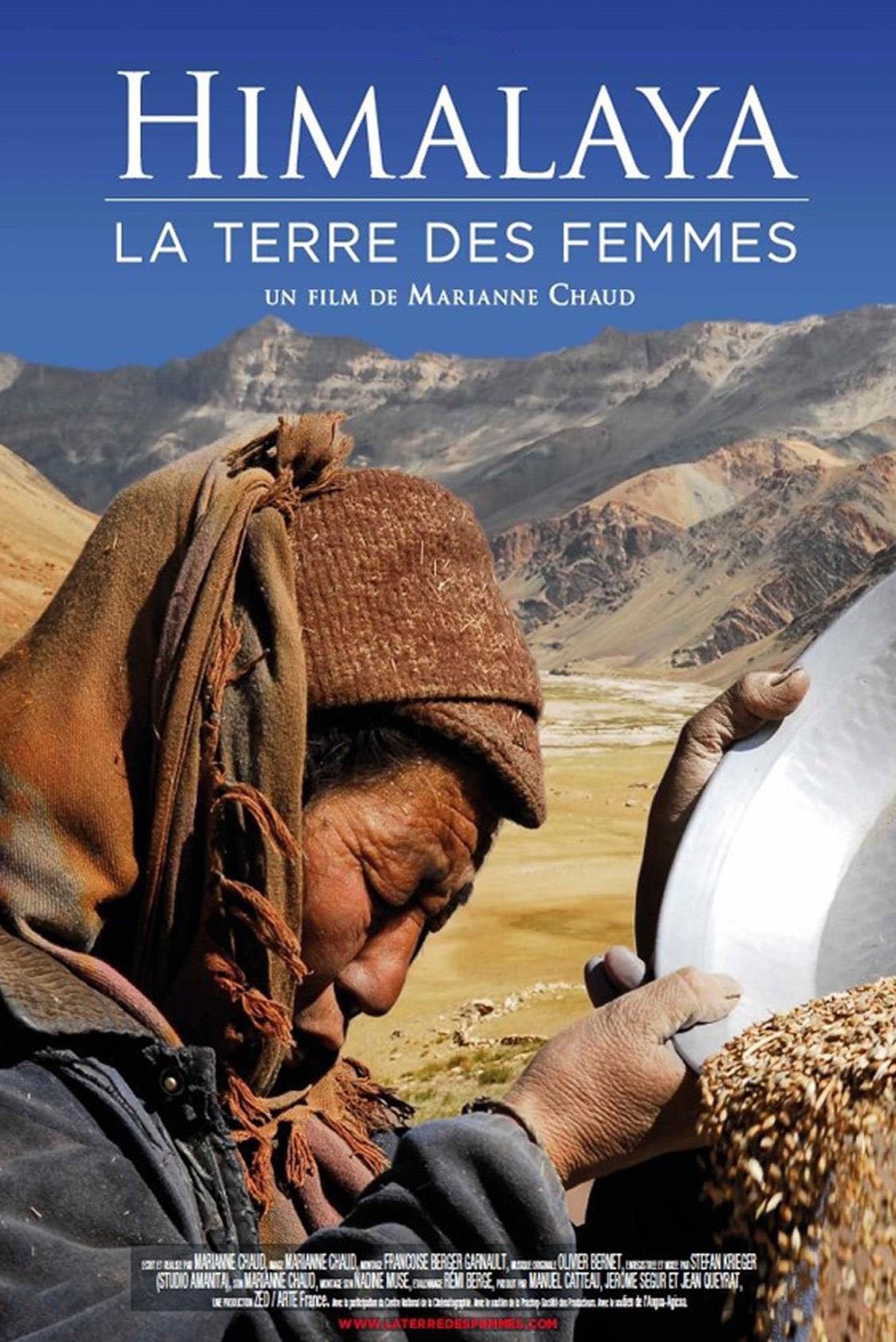 2012-01-11At an altitude of nearly 4,000 meters, Sking is one of the most isolated villages in the Himalayan region of Zanskar. In just three months, from August to October, the Zanskaris have to harvest and store all their food for the coming year. All the women-young and old alike-work nonstop, from dawn to dusk, and worry about the arrival of winter. Filmed from the point of view of a subjective camera by a young female ethnologist, Land of Women offers a sensitive and poetic immersion in the life of four generations of women during harvesting season. We share their rare intimacy and gradually grow attached to them.
Grandma in Two Dimens...
 2025-04-01A young anthropologist reflects on her late grandmother's religious background.
The Shepherdess
 No data for this movie“The shepherdess” is a short ethnographic film inspired by Joyce, an 80 year old woman who has spent her whole life farming in Eastern Ontario. While this film is largely centred on Joyce’s narrative about her life, it is also about Joyce’s flock of about 20 Suffolk ewes, the filmmaker, and the relationships between these actors.
Kwaheri
1964-12-09Early Mondo film featuring primitive rituals, animals being butchered, unusual birth defects, and a legit trepanation scene.American Hardcore
 2006-09-22Inspired by Steven Blush's book "American Hardcore: A tribal history" Paul Rachman's feature documentary debut is a chronicle of the underground hardcore punk years from 1979 to 1986. Interviews and rare live footage from artists such as Black Flag, Bad Brains, Minor Threat, SS Decontrol and the Dead Kennedys.
Sweet Osmanthus Flowe...
 2024-05-08"Sweet Osmanthus Flowering Late" is a feature-length ethnographic film that envisions social rejuvenation and collective convalescence in the aftermath of the pandemic. Filmed in Wuhan, the film follows the everyday lives of three middle-class households. It postulates the existence of a mass dreaming phenomenon that facilitated fatigued Chinese inhabitants to rejuvenate themselves following the secluded episode of lived experience and to coexist with the enduring imprints of "the event" on their social lives.
Global Metal
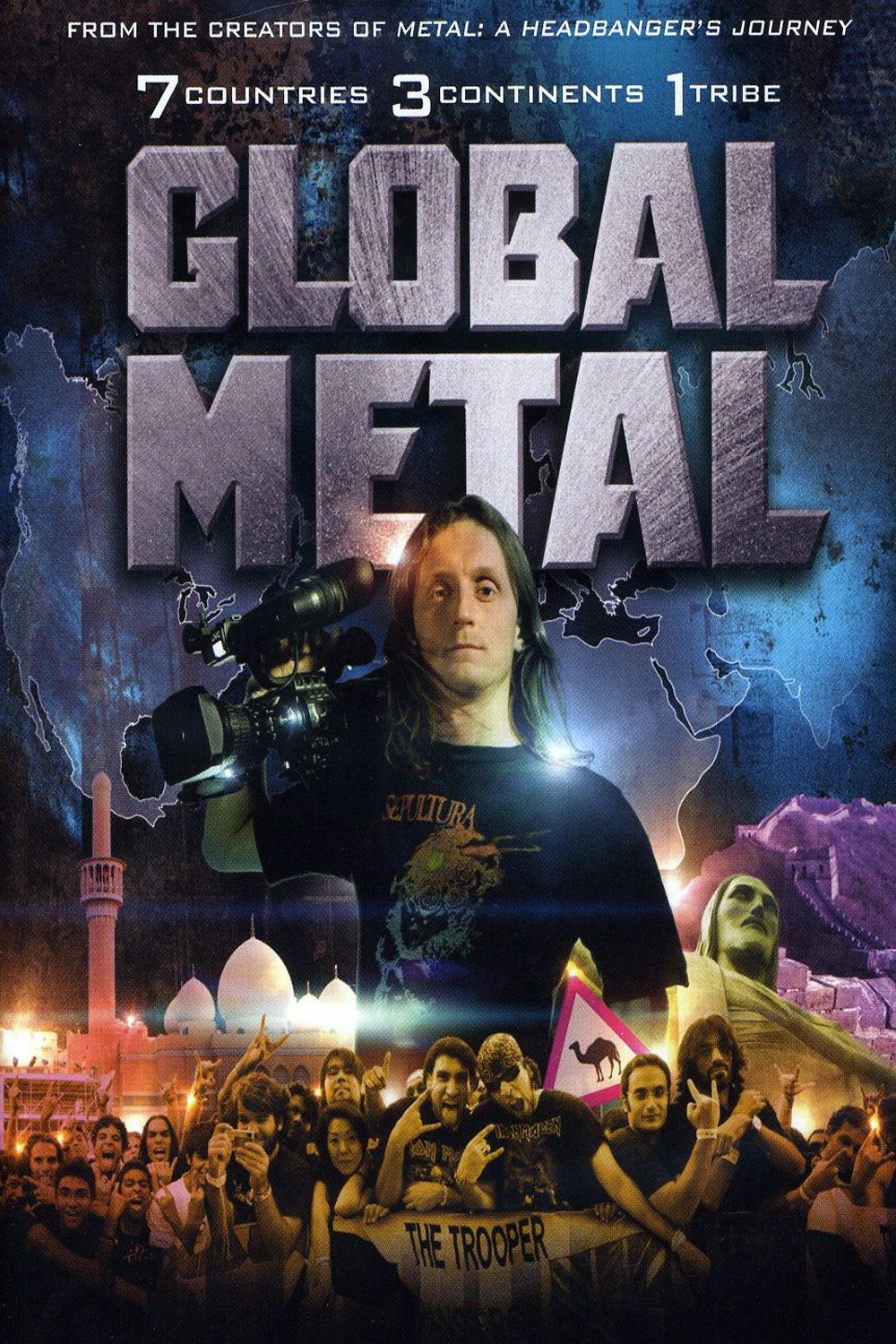 2008-06-20In GLOBAL METAL, directors Scot McFadyen and Sam Dunn set out to discover how the West's most maligned musical genre - heavy metal - has impacted the world's cultures beyond Europe and North America. The film follows metal fan and anthropologist Sam Dunn on a whirlwind journey through Asia, South America and the Middle East as he explores the underbelly of the world's emerging extreme music scenes; from Indonesian death metal to Chinese black metal to Iranian thrash metal. GLOBAL METAL reveals a worldwide community of metalheads who aren't just absorbing metal from the West - they're transforming it - creating a new form of cultural expression in societies dominated by conflict, corruption and mass-consumerism.
Journey Into Buddhism...
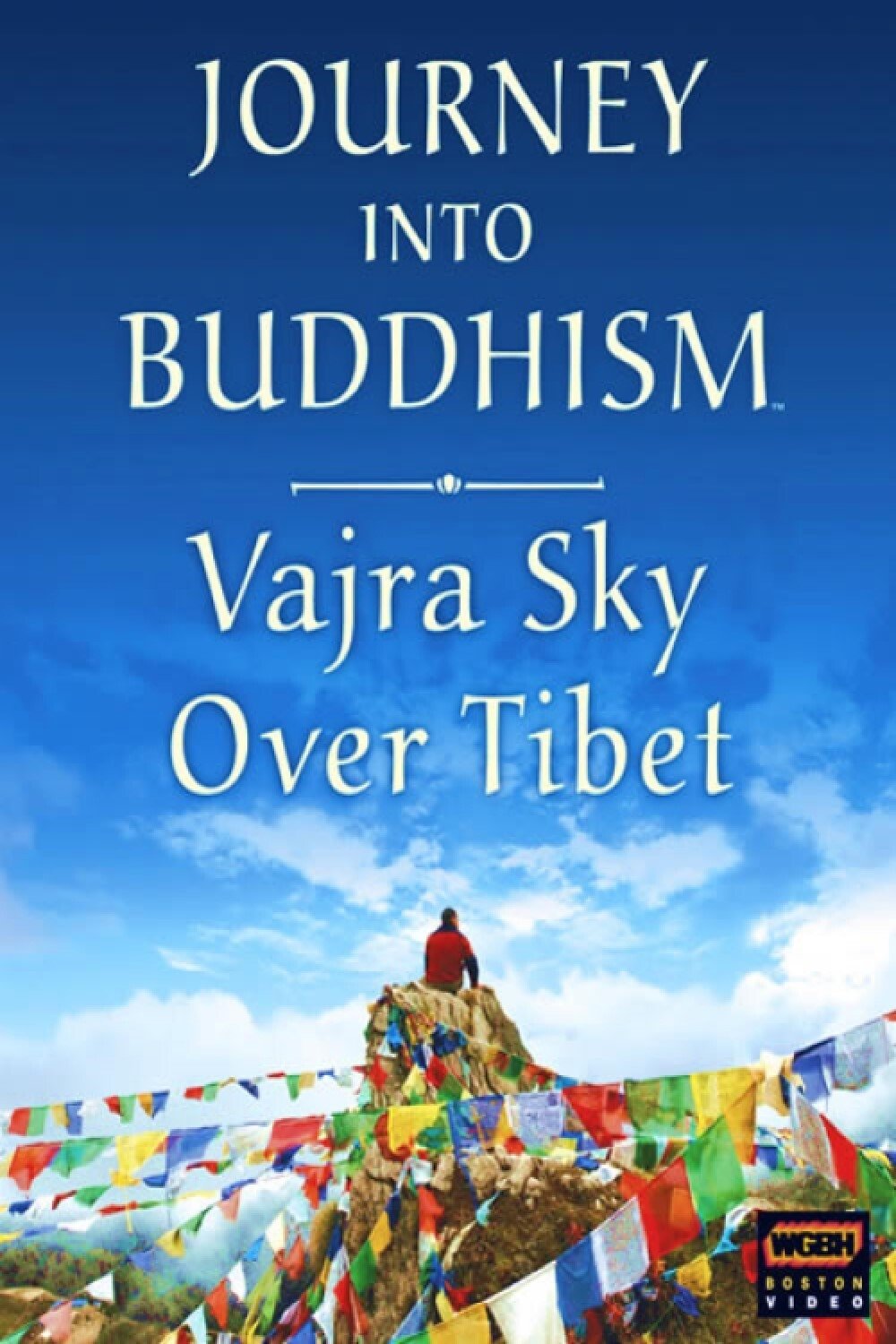 2006-02-17This documentary is the third part of The Yatra Trilogy created by John Bush. Vajra is the Sanskrit word signifying the thunderbolt of illumination, and yatra is the word for pilgrimage or spiritual journey. This film offers a cinematic pilgrimage to central Tibet, bearing witness to the indomitable faith of its endangered Buddhist community and the imminent threat to its very survival.
Papua New Guinea: Ant...
 1983-11-01"Papua New Guinea: Anthropology on Trial" was a 1983 episode of the PBS science documentary series NOVA. It explored the field of anthropology, particularly in the context of Papua New Guinea, from the perspective of the people being studied.
Farther Than the Eye ...
2003-01-01Blind climber Erik Weihenmayer and his team's highly successful ascent of Mount Everest along with four other remarkable milestones on the mountain. Time magazine called this the most successful Everest expedition of all time.Blindsight
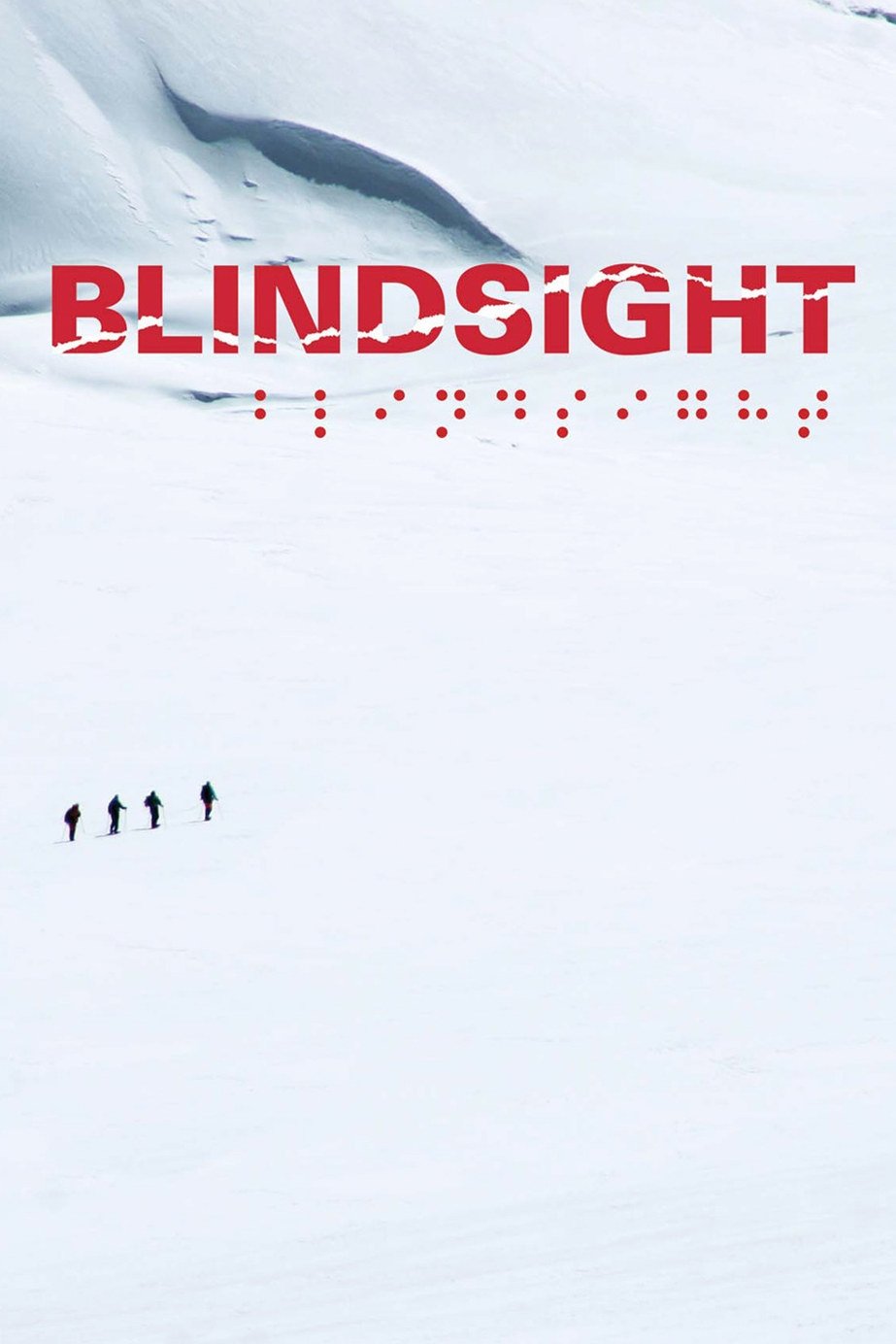 2006-09-11Six blind Tibetan teenagers climb the Lhakpa-Ri peak of Mount Everest, led by seven-summit blind mountain-climber Erik Weihenmayer.
The Hunters
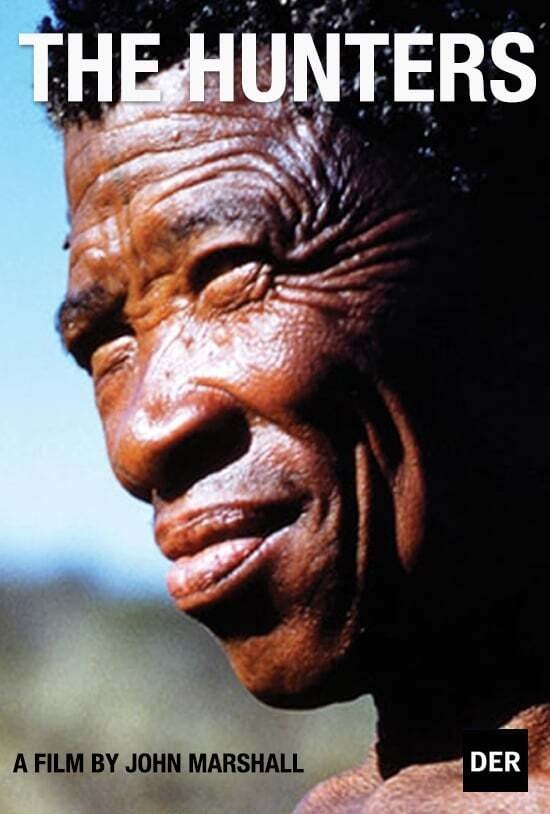 1957-03-21An ethnographic documentary following four Ju/’hoansi (!Kung) men during a multi-day giraffe hunt in the Kalahari Desert, filmed during the Smithsonian–Harvard Peabody expedition of 1952–53.
Opération Survie Soli...
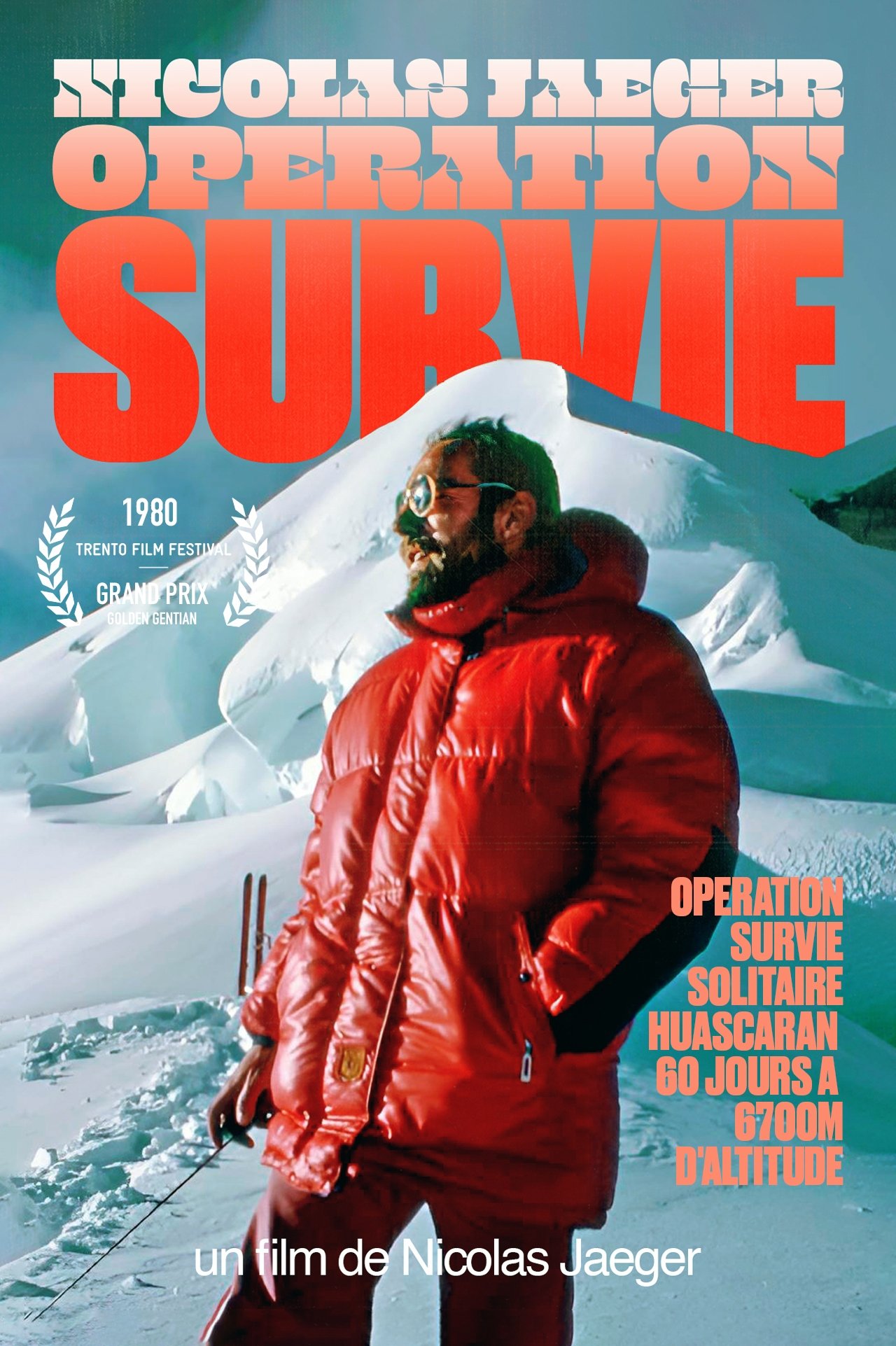 1979-01-01Nicolas Jaeger, a French physician specializing in sports and high-altitude physiology, conducted an experiment by spending two months on the highest peak in the Peruvian Andes, Huascarán. From July to September 1979, Nicolas Jaeger lived alone for 60 days at an altitude of 6,700 meters and studied the effects of hypoxia on his body. He documented his experience on film and later in his book, "Carnet De Solitude," published in 1979.