
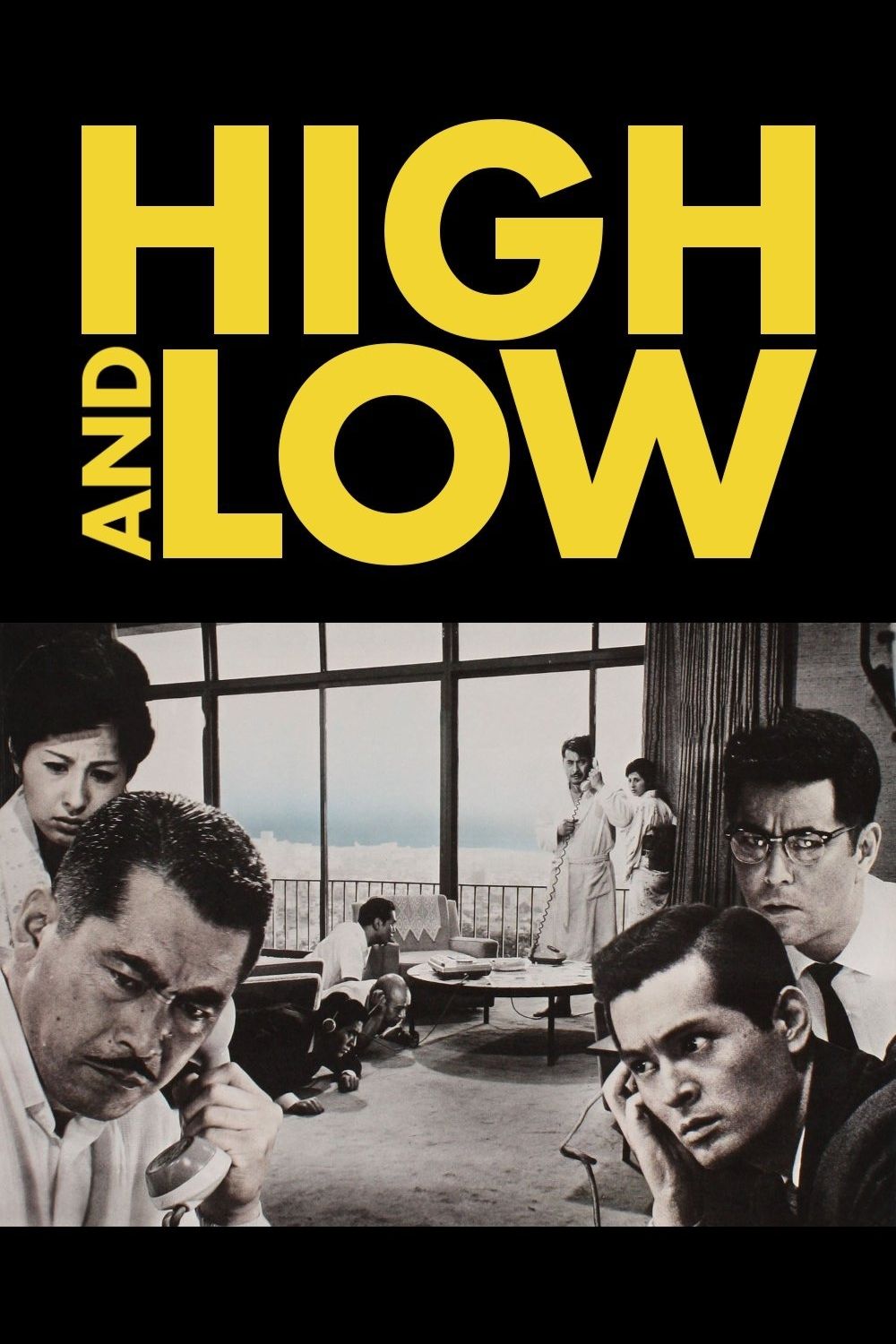
High and Low
Reviews

CinemaSerf
I didn't take to this initially. The scenario reminded me a little of an episode of "Columbo" - a rather sterile, studio-set environment that came across as quite limiting. Once it gets going, though, it's one of the best crime thrillers I've seen in ages. It all centres around the kidnapping of a small boy for whom the anger-prone, shoe millionaire "Gondo" (a strong contribution from Toshirô Mifune) is supposed to pay a ransom of ¥30 million - a colossal sum. It turns out, though, that it's not his son who has been snatched - it's the child of his chauffeur. Why ought he to pay? Will he just get on with his impending company takeover or will he risk bankruptcy for the young "Shinichi"? This is a film split into three sections. The first deals with the decision making process around will he/won't he/why should he. Next, the police must try to apprehend this individual. This process is meticulously carried out and Kurosawa has chosen to immerse us in some of that detail, rather than just cursorily skip through it. This makes the whole detection process a much more interesting part of the film; allowing some aspects of the characterisation of the police officers to develop and also introducing some dark humour to the proceedings. Finally, we reach the denouement with it's own rather curious and not entirely explicable agenda. There's an element of "what would you do?", there's a grim depiction of a seamier side of Japanese (heroin-fuelled) culture that we seldom get to see and there is a rather starkly effective dose of humanity presented here as the story juggles aspects of human nature, nurture and good old fashioned greed in quite an effective fashion. It's based on an Ed McBain book (which I haven't read) but the entire project has been successfully subsumed into it's guest culture for a gripping and detailed mystery that flies by.
Zak_Jaggs
A well worked, high stake crime thriller. The stakes are deeply personal to our main characters and puts them in an impossible situation. The performances and direction are very solid, the story is engaging and ultimately, it's a simple yet enjoyable film. Kurosawa comments on modern corporate greed and poverty in post-war Japan, and he does it very well.
Brent Marchant
I’m always amazed at how a single film can be fundamentally characterized in multiple ways, but that’s understandable when the picture combines an array of diverse elements, each of which has a validity all its own that can subsequently lead to different overarching interpretations. Such is the case with this 1963 film classic from famed Japanese auteur Akira Kurosawa, which provides the cinematic inspiration behind filmmaker Spike Lee’s current reimagination, “Highest 2 Lowest,” now playing theatrically. Like the current iteration, “High and Low” follows the story of a wealthy businessman, Kingo Gondô (Toshirô Mifune), who’s looking to take control of the shoe manufacturing company for which he works, a plan that requires him to leverage his entire personal fortune to make it possible. But, just as he’s about to close the deal, he’s distracted by the alleged kidnapping of his young son (Toshio Egi), a crime for which the perpetrator demands a ransom equal in value to the funds needed to cover the pending transaction. However, not long after hearing about the kidnapping, Gondô learns that the culprit has nabbed the wrong child, erroneously taking the son (Masahiko Shimazu) of his chauffeur (Yutaka Sada). But Gondô is not off the hook: the kidnapper still demands payment of the ransom, even though the crime doesn’t involve his son. This leaves Gondô with a huge moral dilemma: does he use the money to close his business deal or to pay the ransom of his employee’s child? As Gondô grapples with this decision, an intense police investigation ensues to discover the kidnapper’s identity and to figure out a way to retrieve both the victim and the ransom money. Unlike the current film, though, Kurosawa’s version focuses less on the particulars driving this scenario and more intently on the ethical questions that the protagonist is left to wrestle with, issues ultimately symbolic of the divisive class and economic disparities in Japanese society. Indeed, while the picture provides viewers with its share of intense thriller moments, in many regards it’s really more of a morality play, not only where Gondô is concerned, but also in its exploration of the inherent chasms between rich and poor, privileged and impoverished, and control and servitude. (This attribute, in turn, helps to shed light on the nature of the film’s character and the relevance of its original Japanese title, “Tengoku to jigoku,” which translates to “Heaven and Hell,” in my opinion a more fitting appellation that probably should have been retained when renamed in English.) The foregoing aspects of the picture thus distinguish this predecessor work from the current release, even though the exact nature of the nexus between kidnapper and target is not developed as fully here as I believe it should have been (one of the few ways in which the present offering modestly improves upon the original). In addition, there are times in the opening act, as well as in the run-up to the film’s conclusion, when the storytelling could have been a little brisker (the slower pacing style of the period in which the picture was made notwithstanding). Still, this offering’s social and cultural themes are nevertheless intriguing, and their place here has a tendency to grow on audiences as the picture progresses. And those thematic aspects, when combined with the contrast of the narrative’s riveting criminal investigation, make for an intriguing mix, one that undoubtedly accounts for the differing perspectives that this release often evokes among viewers. While “High and Low” may not be Kurosawa’s best work when compared with such pictures as “Rashômon” (1950) and “Ikiru” (1952), it stands out as one of the filmmaker’s most thoughtful and engaging works, one that probes the heaven and hell that reside here on Earth, both individually and at their points of intersection, and how the lines between them can become all too easily blurred, a caution to us all.
Movie Recommendation
 The Hidden Fortress1958-12-28In feudal Japan, during a bloody war between clans, two cowardly and greedy peasants, soldiers of a defeated army, stumble upon a mysterious man who guides them to a fortress hidden in the mountains.More...
 Madadayo1993-04-17In postwar Tokyo, beloved writer-professor Hyakken Uchida retires and is buoyed through hardship by the fierce devotion of his former students, who honor him each year with a raucous “Not yet!” birthday toast. Told in warm, gently comic vignettes, Kurosawa’s farewell celebrates aging, friendship, and the sustaining ritual of teacher and pupils refusing to say goodbye.More...
 Red Beard1965-04-03Aspiring to an easy job as personal physician to a wealthy family, Noboru Yasumoto is disappointed when his first post after medical school takes him to a small country clinic under the gruff doctor Red Beard. Yasumoto rebels in numerous ways, but Red Beard proves a wise and patient teacher. He gradually introduces his student to the unglamorous side of the profession, ultimately assigning him to care for a prostitute rescued from a local brothel.More...
 Ikiru1952-10-09Kanji Watanabe is a middle-aged man who has worked in the same monotonous bureaucratic position for decades. Learning he has cancer, he starts to look for the meaning of his life.More...
 Night and Fog1959-04-27Filmmaker Alain Resnais documents the atrocities behind the walls of Hitler's concentration camps.More...
 Le Plaisir1952-02-29Three stories about the pleasure. The first one is about a man hiding his age behind a mask to keep going to balls and fancying women - pleasure and youth. Then comes the long tale of Mme Tellier taking her girls (whores) to the country for attending her niece's communion - pleasure and purity. And lastly, Jean the painter falling in love with his model - pleasure and death.More...
 Who's Minding the Store?1963-11-28Jerry Lewis plays Norman Phiffer, a proud man in a humble life, who doesn't know that his girlfriend, Barbara, is heir to the Tuttle Department Store dynasty. Mrs. Tuttle, Barbara's mother, is determined to split the two lovers, and hires Norman in an attempt to humiliate him enough that Barbara leaves him. Will she ruin their love, or will he ruin her store?More...
 The Band Wagon1953-08-07A Broadway artiste turns a faded film star's comeback vehicle into an artsy flop.More...
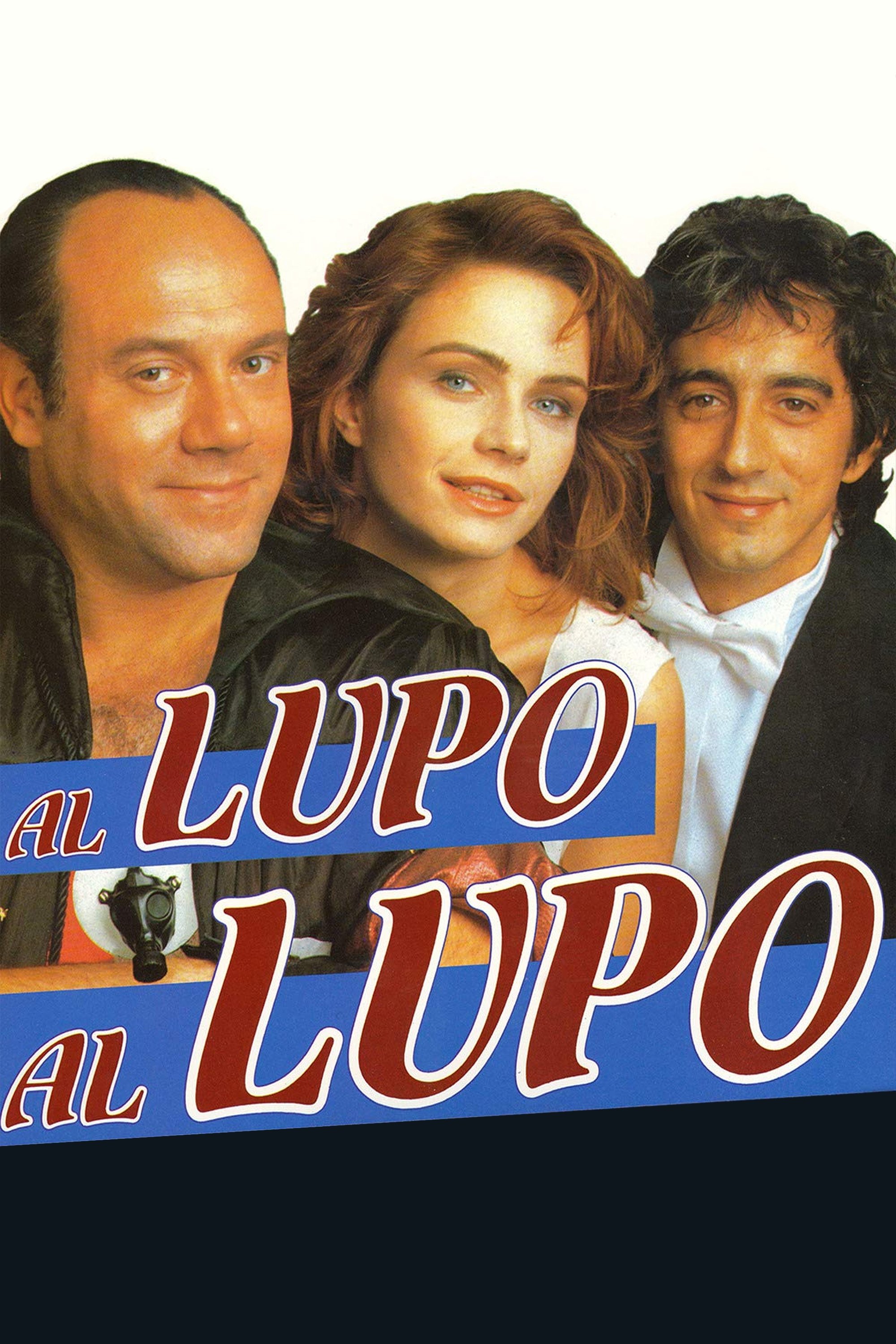 Al lupo, al lupo1992-12-18Vanni, Gregorio and Livia are brothers. The first is a well-known pianist, the second has abandoned his career as an aspiring violinist to become a deejay. When Vanni discovers that his father has disappeared into thin air, together with Gregorio they decide to call his sister Livia. The three relatives travel the length and breadth of Tuscany to find their missing parent.More...
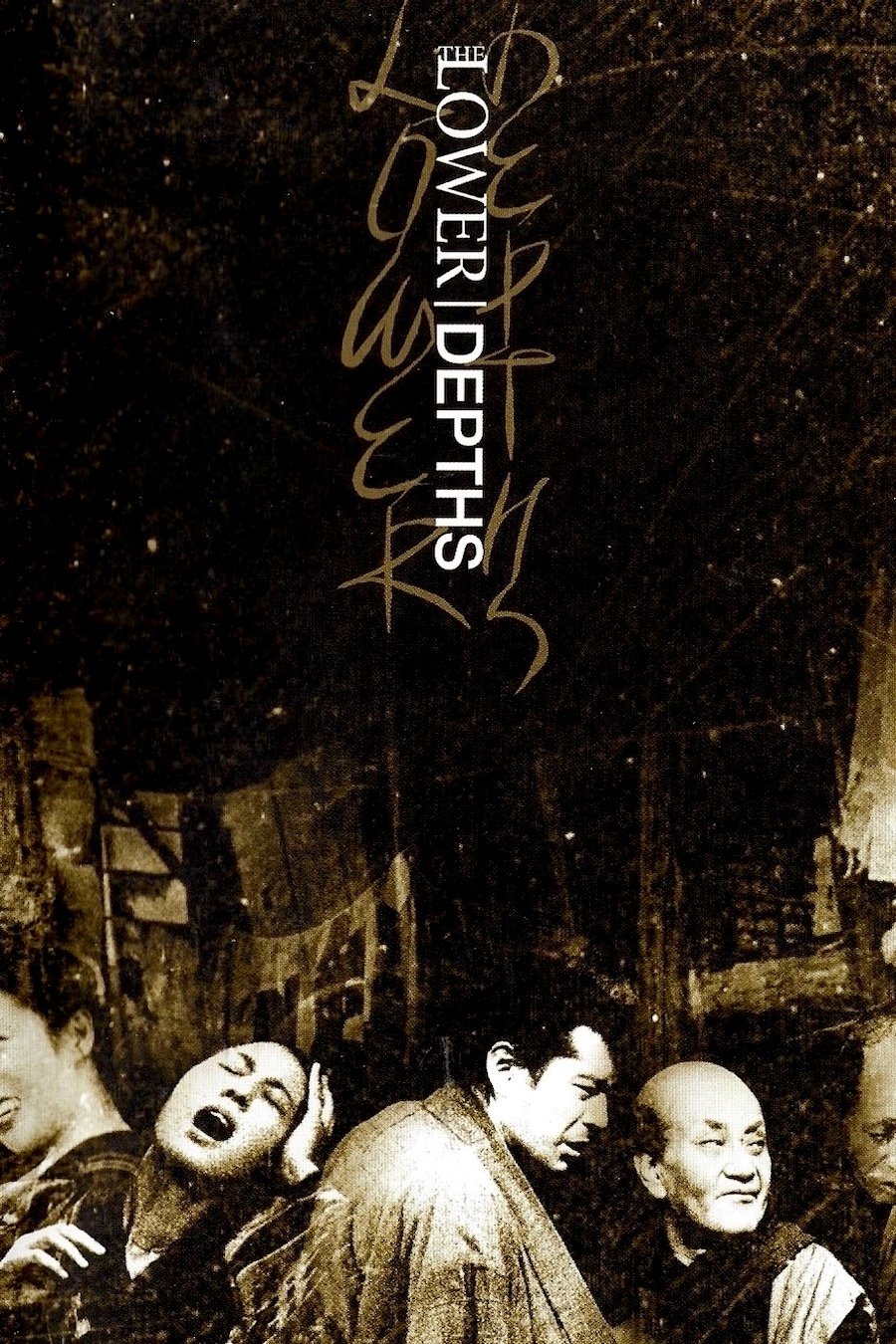 The Lower Depths1957-10-01Residents of a rundown boardinghouse in 19th-century Japan, including a mysterious old man and an aging actor, get drawn into a love triangle that turns violent. When amoral thief Sutekichi breaks off his affair with landlady Osugi to romance her younger sister, Okayo, Osugi extracts her revenge by revealing her infidelity to her jealous husband.More...
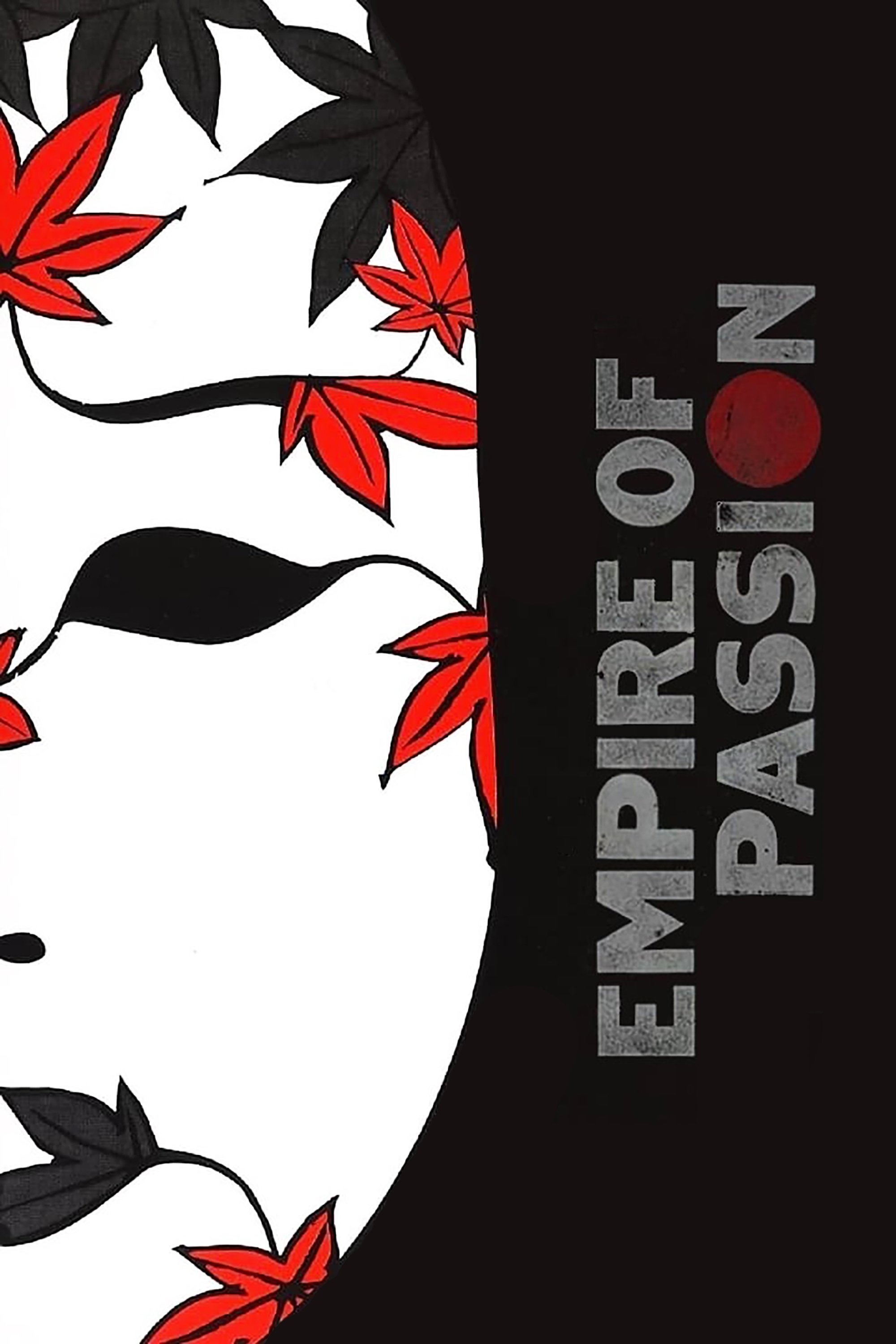 Empire of Passion1978-09-06In a small Japanese village at the end of the 19th century, a rickshaw driver's wife takes on a much younger lover and the two conspire to murder him.More...
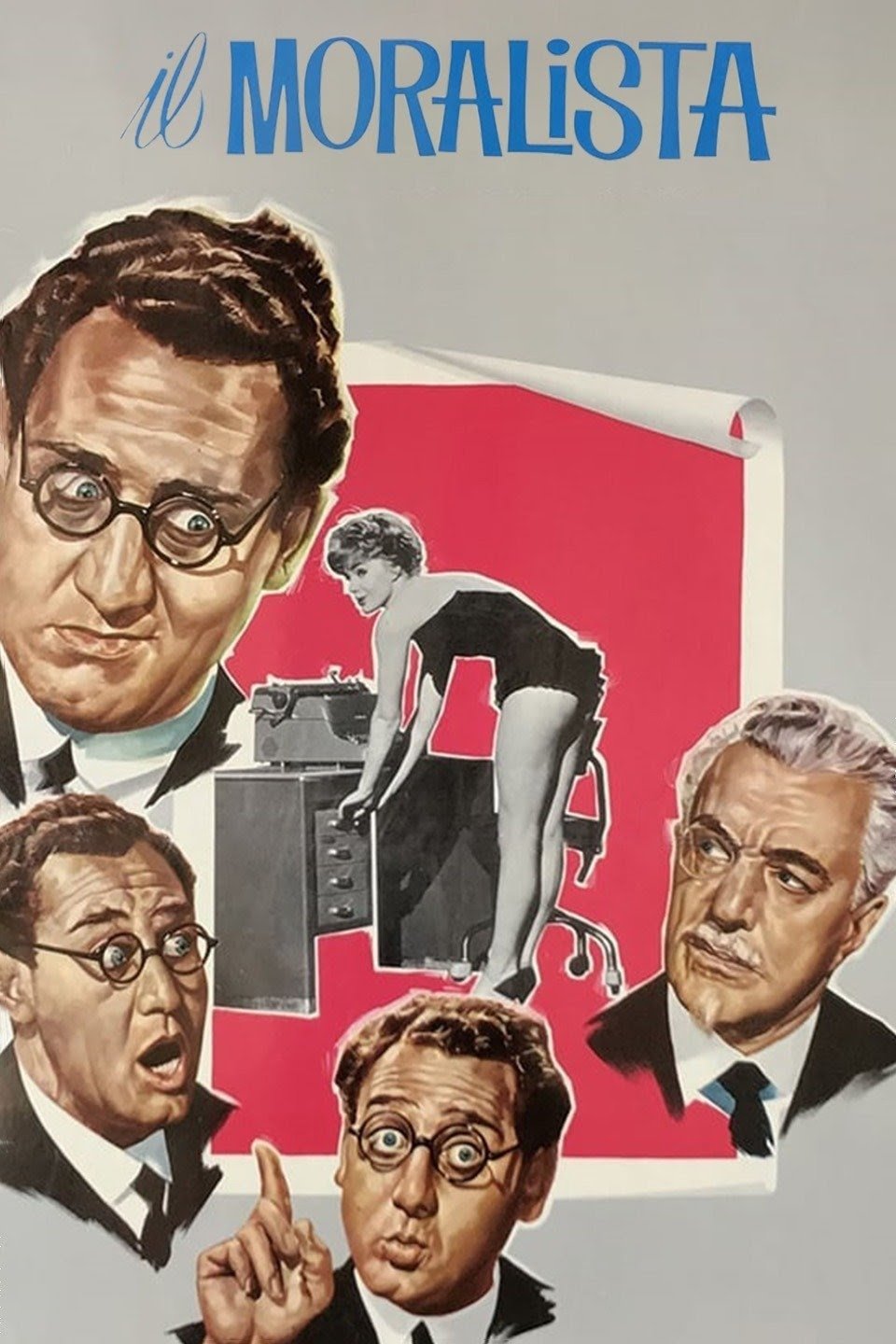 The Moralist1959-06-30The newly appointed head of a censorship board uses his uncompromising stance against everything "immoral" – from nudity in movies to nightclubs – to hide a rather unseemly double life.More...
 I Live in Fear1955-11-22An aging foundry patriarch, gripped by terror of nuclear annihilation, tries to uproot his family to Brazil. When they petition to have him declared incompetent, a family-court counselor witnesses his obsession slide into ruin—and asks whether ignoring the atomic threat is any saner.More...
 Violence at Noon1966-07-15Two young women must come to terms with the fact that a man they're deeply linked to is a murdering rapist.More...
 The Cat Piano2009-02-23A city of singing cats is preyed upon by a shadowy figure intent on performing a twisted feline symphony.More...
 Bloody Spear at Mount Fuji1955-02-27Tragicomic road movie set during the Edo period. It follows a samurai, his two servants – including spear-carrier Genpachi – and the various people they meet on their journey, including a policeman in pursuit of a thief, a young child and a woman who is to be sold into prostitution.More...
 Sky Ladder: The Art of Cai Guo-Qiang2017-09-22Known for his spectacular pyrotechnic displays, Chinese artist Cai Guo-Qiang creates his most ambitious project yet: Sky Ladder, a visionary, explosive event that he pulls off in his hometown in China after 20 years of failed attempts.More...
 Little Miss Sumo2018-10-18In an ancient sport traditionally reserved for men, 20-year-old female sumo prodigy Hiyori attempts to revolutionize Japan’s national pastime.More...
 My Secret Cache1997-02-15Sakiko, a young bank teller, has an unhealthy obsession with money. Thieves hold up the bank, kidnapping Sakiko in the process, but eventually crash their car, resulting in a suitcase stuffed with cash falling into a nearby river. For the remainder of the film, Sakiko begins a desperate quest to retrieve the money.More...
 Young and Dangerous1996-01-25Five young hoodlums sing karaoke, murder, joke around, get beaten up, win and lose women, and learn the value of blind loyalty.More...
Similar Movies
Attack of the 50 Foot...
 1958-05-18When an abused wife grows to giant size because of an alien encounter and an aborted murder attempt, she goes after her cheating husband with revenge on her mind.
This Sporting Life
 1963-02-07In Northern England in the early 1960s, Frank Machin is mean, tough and ambitious enough to become an immediate star in the rugby league team run by local employer Weaver.
Sink the Bismarck!
 1960-02-11The story of the breakout of the German battleship Bismarck—accompanied by the heavy cruiser Prinz Eugen—during the early days of World War II. The Bismarck and her sister ship, Tirpitz, were the most powerful battleships in the European theater of World War II. The British Navy must find and destroy Bismarck before it can escape into the convoy lanes to inflict severe damage on the cargo shipping which was the lifeblood of the British Isles. With eight 15 inch guns, it was capable of destroying every ship in a convoy while remaining beyond the range of all Royal Navy warships.
Run Silent, Run Deep
 1958-03-27The captain of a submarine sunk by the Japanese during WWII is finally given a chance to skipper another sub after a year of working a desk job. His singleminded determination for revenge against the destroyer that sunk his previous vessel puts his new crew in unneccessary danger.
Handphone
 2009-02-19A talent manager loses his handphone which contains a scandalous video which could destroy his career. He is then contacted by a mysterious caller who has found the phone and blackmails him into committing a series of crimes.
Dragon Squad
 2005-11-10A team of Interpol agents arrive in the city to testify against a local crime lord. However on the way to court the vehicle carrying the Triad boss is attacked and the crime lord snatched, not by his own people but by another foe.
Lady Snowblood 2: Lov...
 1974-06-15Lady Snowblood is caught by the police and sentenced to death for her crimes. As she is sent to the gallows she is rescued by the secret police who offer her a deal to assassinate some revolutionaries.
Crime Story
 1993-06-24A special agent is assigned to protect a wealthy business magnate. However, when the businessman is kidnapped in a daring ambush, he teams up with a seasoned detective to crack the case. But soon he discovers the case isn't that simple.
Jimmy and Judy
 2006-02-05Two misunderstood suburban kids challenge society and run from the police while documenting all of their deeds with a digital camera.
Ride the Pink Horse
 1947-10-08A con man tries to blackmail a Mexican gangster.
The Captain
 2018-02-02Germany, 1945. Soldier Willi Herold, a deserter of the German army, stumbles into a uniform of Nazi captain abandoned during the last and desperate weeks of the Third Reich. Newly emboldened by the allure of a suit that he has stolen only to stay warm, Willi discovers that many Germans will follow the leader, whoever he is.
10 to Midnight
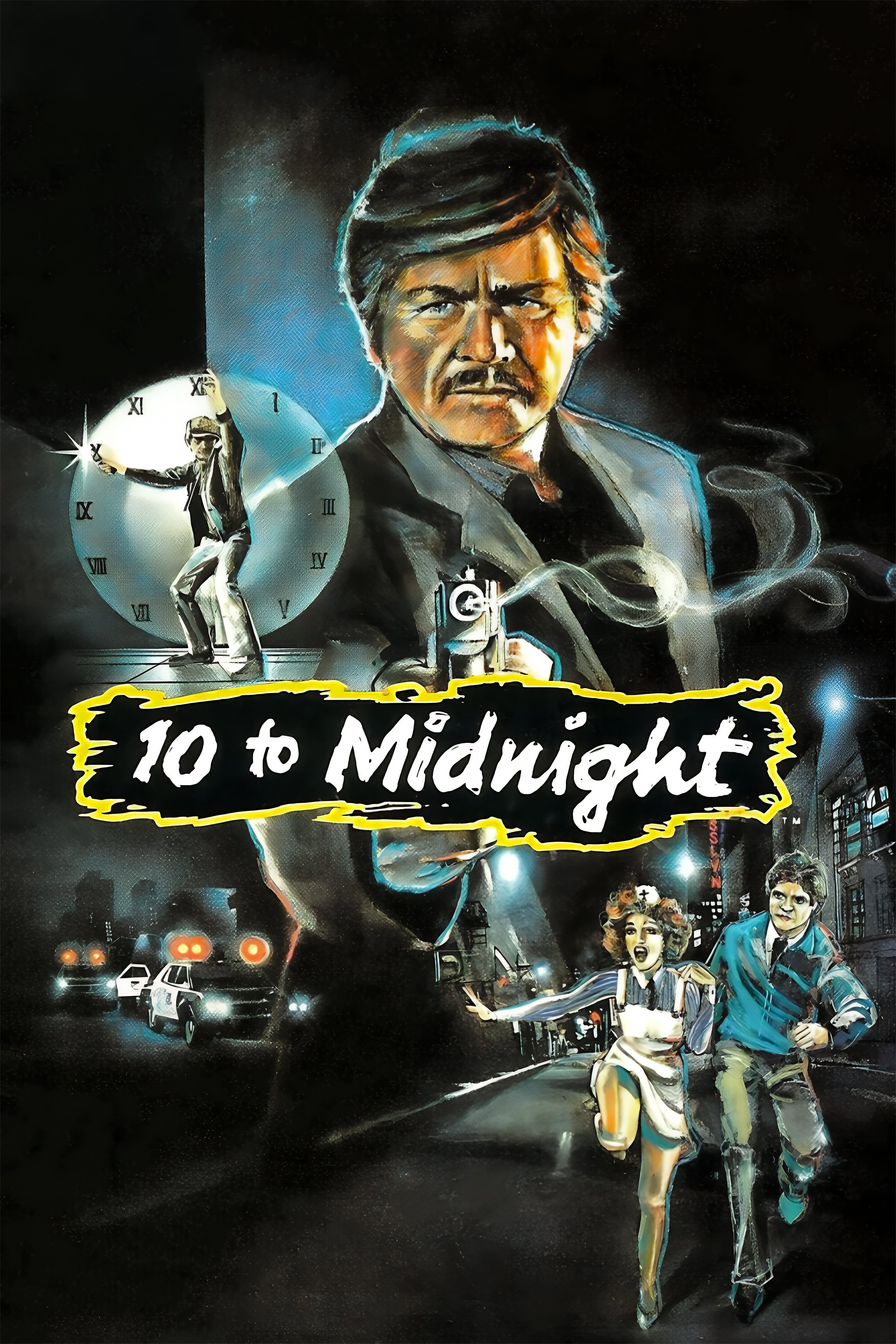 1983-03-11Warren Stacy, an office equipment repairman, begins murdering women after they reject his advances. To minimize the evidence, Stacy always kills while naked, wearing nothing but gloves, and further evades the law with his strong alibis. Veteran detective Leo Kessler is convinced of Stacy's guilt and begins using questionable methods to catch him.
52 Pick-Up
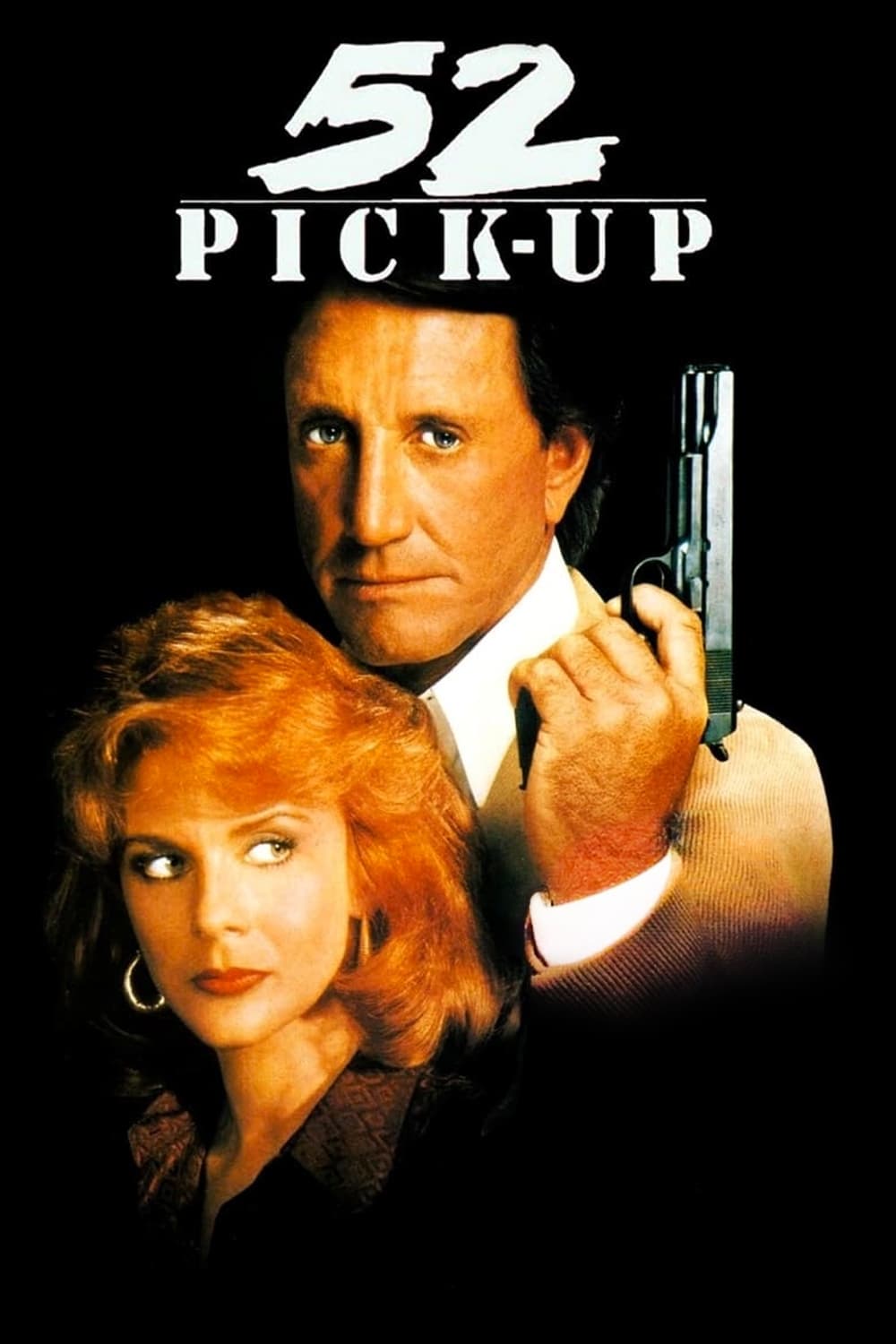 1986-11-07Harry Mitchell is a successful Los Angeles manufacturer whose wife is running for city council. His life is turned upside down when three blackmailers confront him with a videotape of him with his young mistress and demand $100,000. Fearing that the story will hurt his wife's political campaign if he goes to the police, Harry pretends that he will pay the men, but does not follow through.
The Abductors
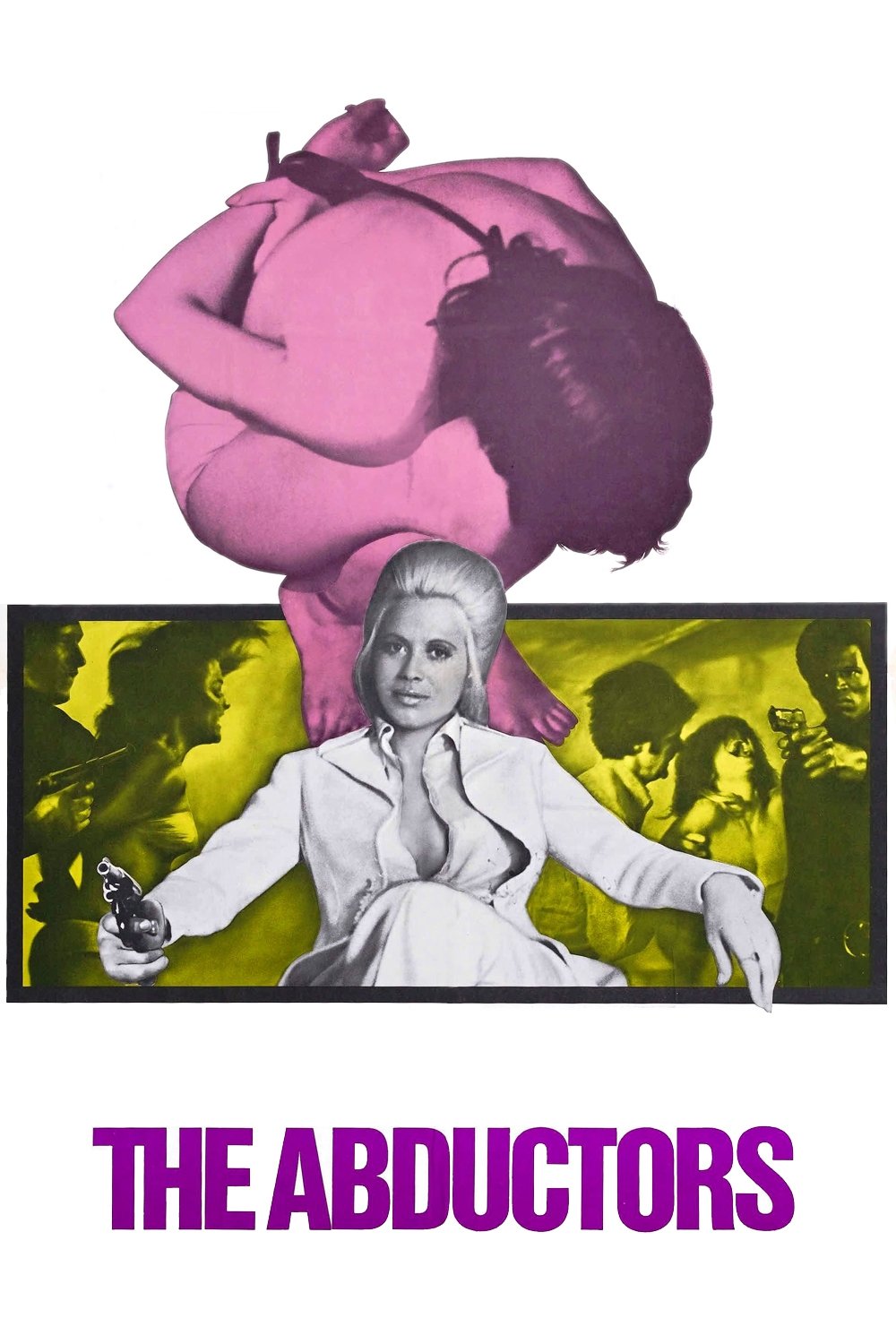 1972-01-28Someone is stealing cheerleaders and other pretty girls and selling them to the highest bidder. Female super sexy spy Ginger is soon employed to investigate the disappearances. She does so by going undercover with a fellow agent and doing whatever is necessary to put an end to the operation and take down the leaders.
The Desperate Hours
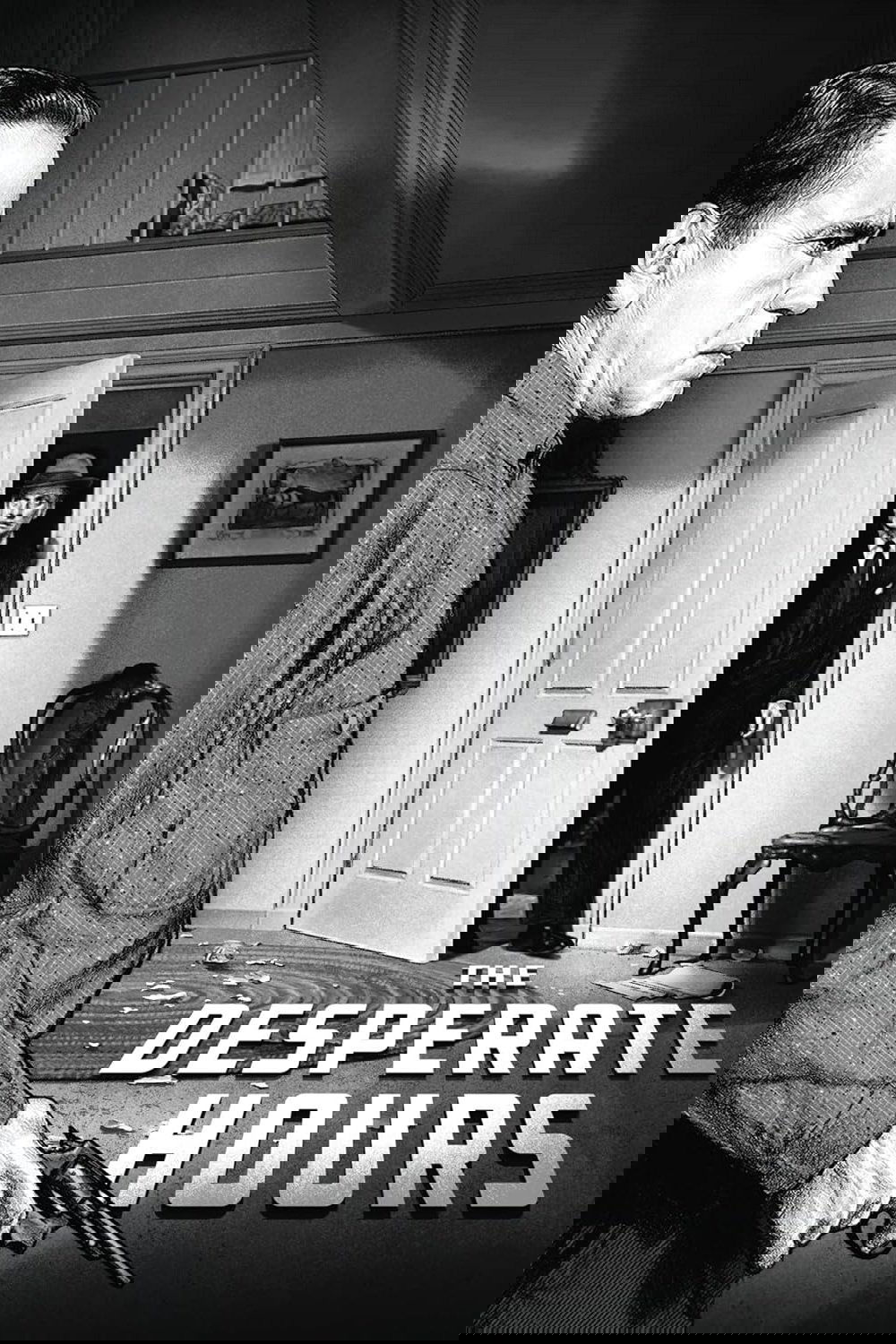 1955-10-05Escaped convicts terrorize a suburban family they're holding hostage.
Zatoichi on the Road
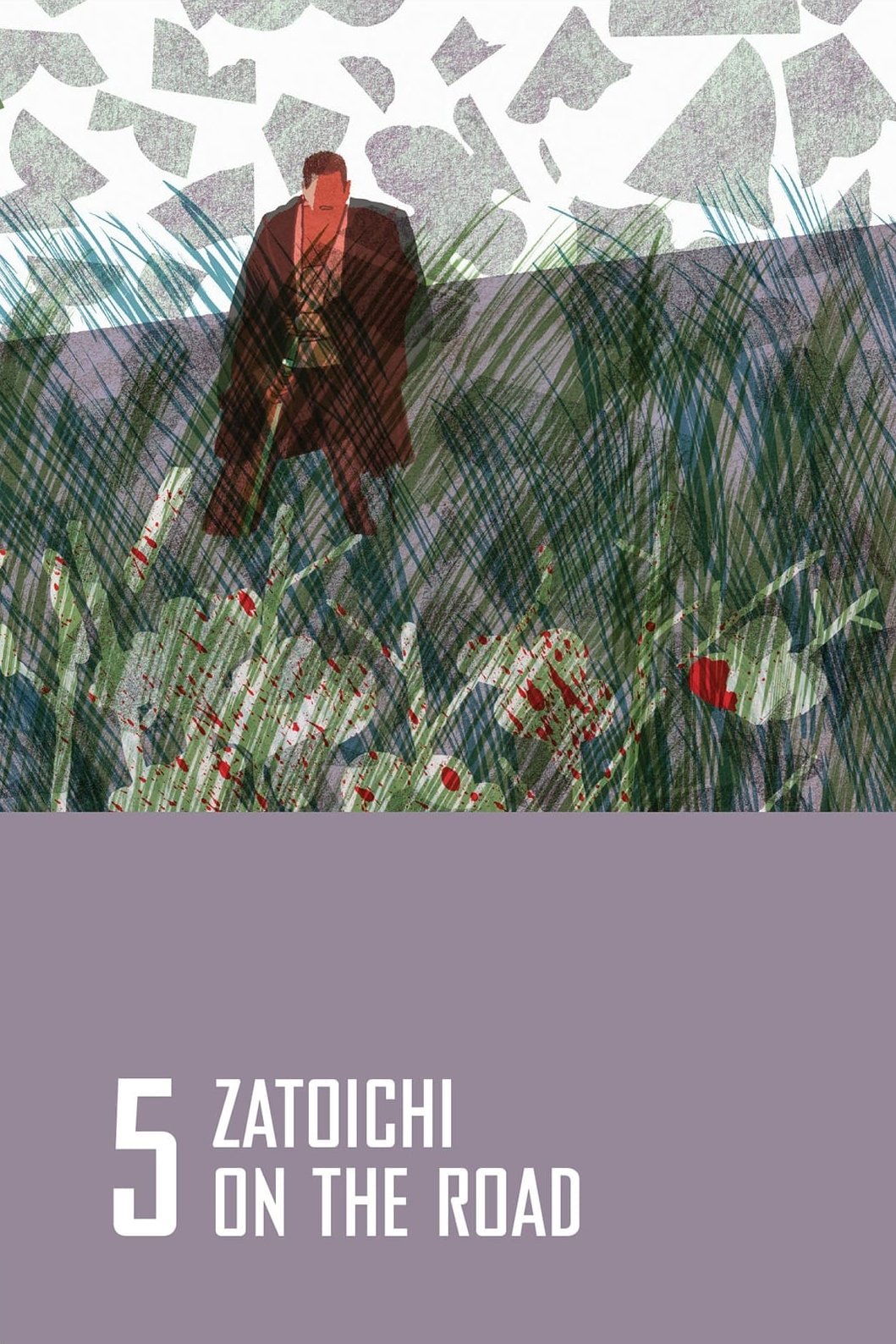 1963-11-30Zatoichi is sworn to protect the life of a young girl and without any real allies finds himself in the middle of a bloody turf war.
King Creole
 1958-07-02Danny Fisher, young delinquent, flunks out of high school. He quits his job as a busboy in a nightclub, and one night he gets the chance to perform. Success is imminent and the local crime boss Maxie Fields wants to hire him to perform at his night club The Blue Shade. Danny refuses, but Fields won't take no for an answer.
Gun Crazy
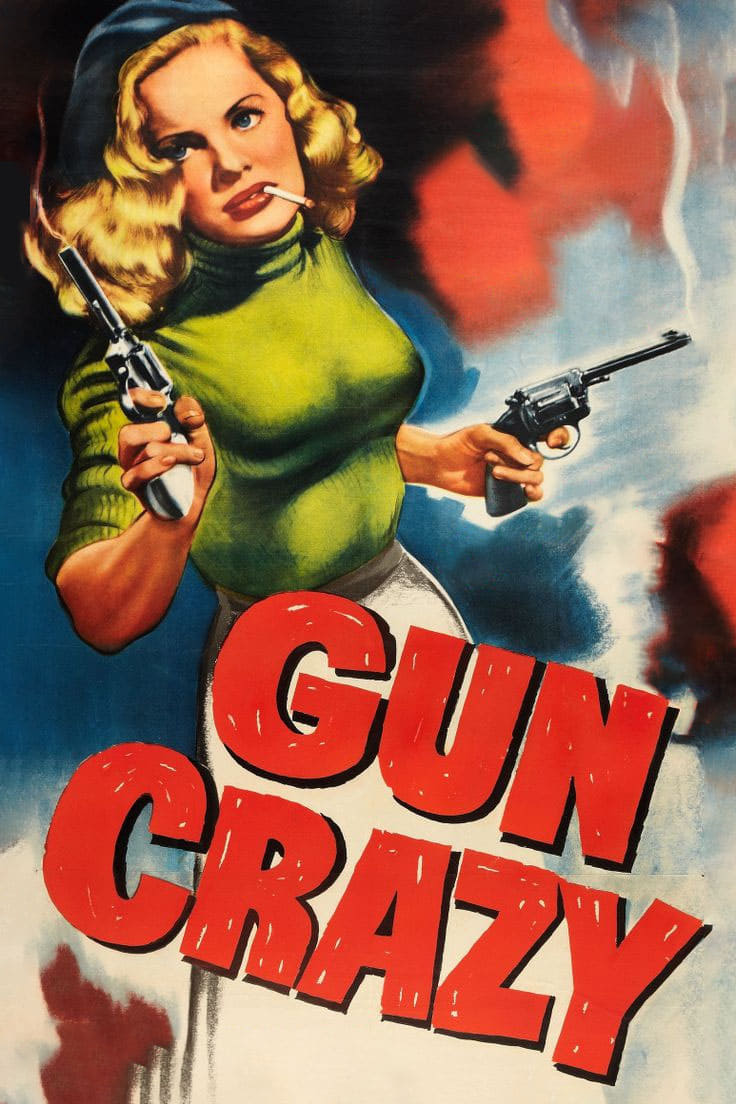 1950-01-20Bart Tare is an ex-Army man who has a lifelong fixation with guns, he meets a kindred spirit in sharpshooter Annie Starr and goes to work at a carnival. After upsetting the carnival owner who lusts after Starr, they both get fired. Soon, on Starr's behest, they embark on a crime spree for cash.
The Bodyguard from Be...
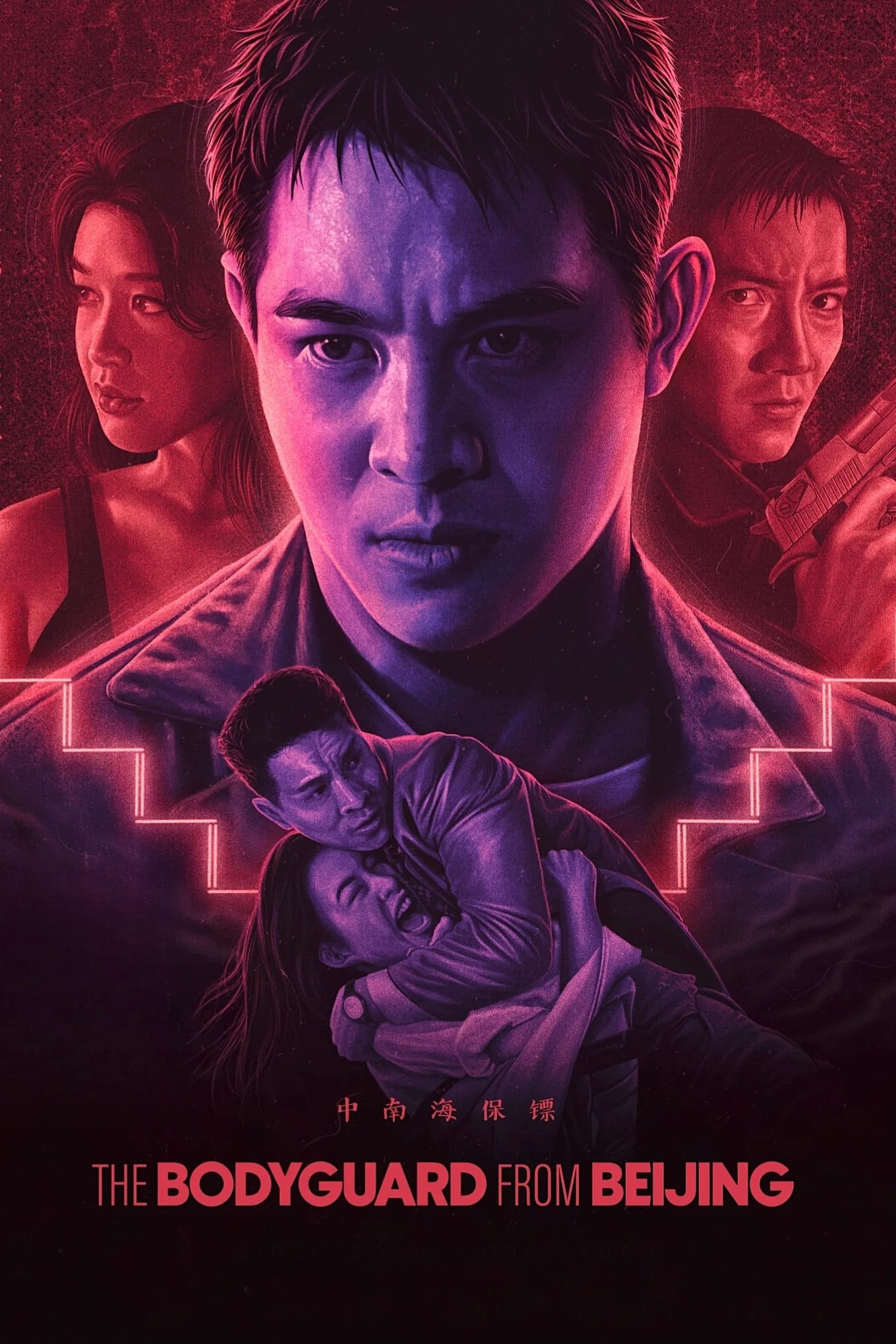 1994-07-28A corrupt businessman commits a murder and the only witness is the girlfriend of another businessman with close connections to the Chinese government, so a bodyguard from Beijing is dispatched to help two Hong Kong cops protect the witness.
Sherlock Holmes and t...
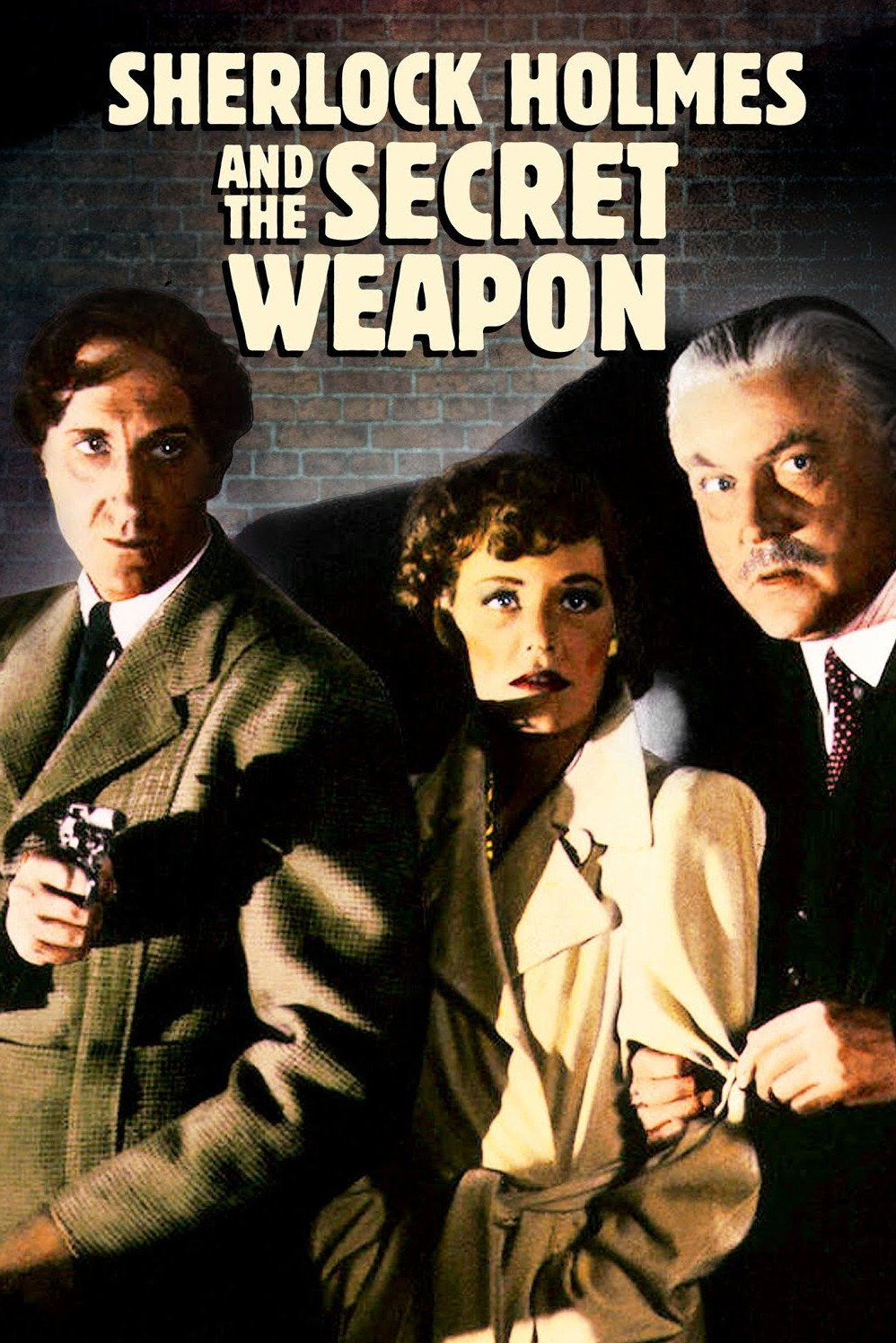 1942-12-25In the midst of World War II, Sherlock Holmes rescues the Swiss inventor of a new bomb-sight from the Gestapo and brings him to England, where he quickly falls into the clutches of the evil Professor Moriarty.